
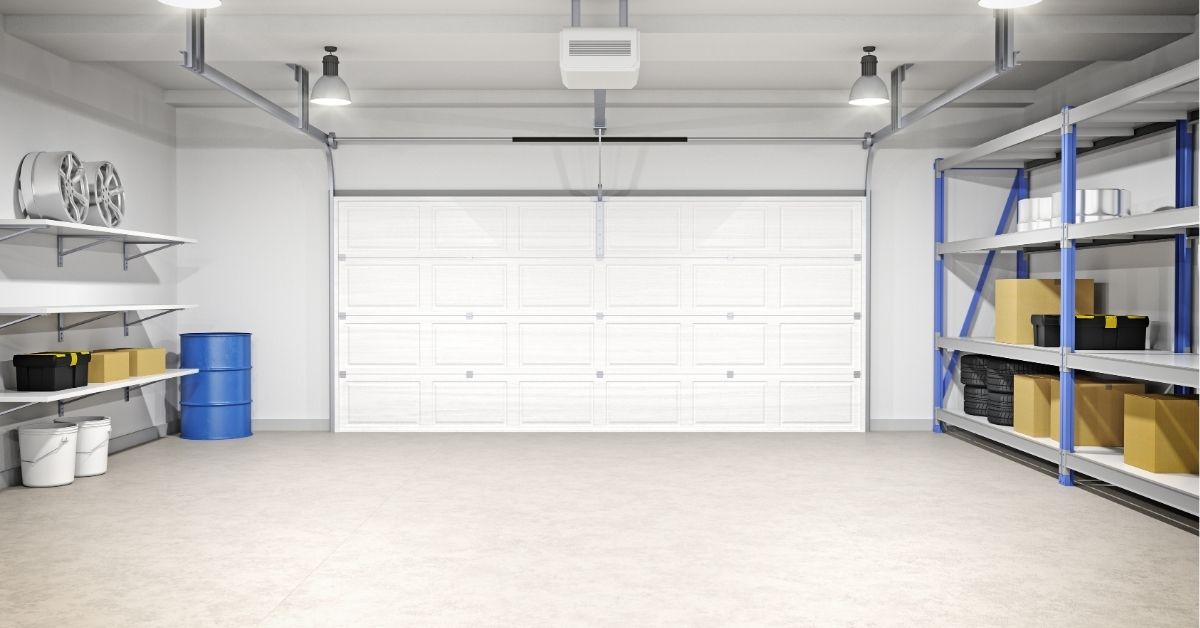
When most people think about home security, they focus on the obvious entry points. They install deadbolts on the front door, add locks to windows, and maybe invest in a video doorbell or security camera. All smart moves. But while homeowners are fortifying these traditional entry points, they’re often overlooking the most vulnerable spot in the entire house: the garage door.
It’s a blind spot security experts have been warning about for years, yet it remains one of the most underestimated risks in residential security. Let’s look at why your garage door might be the weak link in your home’s defenses — and what you can do about it. Many homeowners overlook the garage as a potential entry point for intruders, especially since it often contains expensive tools and equipment. To enhance your home’s security during the colder months, consider implementing some winter garage security tips, such as upgrading to a smart garage door opener or ensuring that windows are properly secured. By taking proactive measures, you can significantly bolster the defenses of this vulnerable area of your home.
Here’s the uncomfortable truth: in many homes, the garage is the easiest way inside. Most houses built in the last few decades include a two- or three-car garage attached directly to the home, with an interior door leading straight into the kitchen, mudroom, or hallway.
That interior door? Often a simple hollow-core door with a basic lock. Many homeowners don’t even lock it, assuming the garage door is the real barrier. It’s like installing a bank vault — then leaving the back entrance propped open.
Compare that to your front door, which is likely solid wood or steel, equipped with a deadbolt, maybe a security sensor, and visible from the street. The contrast is hard to ignore.
Most garage doors operate on systems designed years ago — back when convenience mattered more than security. That creates several vulnerabilities many homeowners don’t know about.
Older garage door openers use fixed codes that never change. Thieves can use code-grabbing devices to capture your remote’s signal and replay it later to open your door. While newer openers use rolling codes, many homes still rely on outdated technology.
Every garage door has an emergency release — the red handle hanging from the opener rail. It’s a vital safety feature. But burglars can reach it from outside with something as simple as a coat hanger, disengaging the opener and lifting the door manually.
This is easily the most common issue. In a rush, you drive away and forget to lower the garage door. Unlike an open window you might notice, an open garage isn’t obvious from inside the house. You may leave at 8 AM and return at 6 PM — discovering the garage has been open all day.
Burglars favor garages for a few powerful reasons.
Someone breaking in through a front door or window is exposed. A person approaching an open garage, or even working to pry one open, could easily be mistaken for the homeowner, a contractor, or a delivery driver. Once inside, they can close the door and operate completely unseen.
Garages often contain thousands of dollars in equipment: power tools, lawn equipment, bicycles, sports gear, extra appliances, and sometimes a vehicle. These items are easy to steal, hard to trace, and quick to sell.
Once inside the garage, burglars gain access to that interior door — and many know it’s rarely locked. They also know many homeowners don’t arm their security systems during the day or when stepping out “just for a minute.”
We tend to think of our homes in terms of the spaces we use. Living rooms, bedrooms, and kitchens get attention. The garage is somewhere between “inside” and “outside,” so it doesn’t always get treated like part of the home.
This mindset leads to common habits:
When garage security fails, the fallout can be significant. Beyond the loss of property, there’s the emotional impact: anxiety, loss of safety, anger, and second-guessing every time you leave home.
There’s also the aftermath to deal with — insurance claims, replacing stolen items, upgrading security measures you wish you’d put in place earlier. For older homeowners or those living alone, the emotional toll can be even heavier.
Even safety-conscious homeowners often make these errors:
Having an automatic garage door opener does not guarantee the door is closed — or secure.
This door should be treated like any exterior door: solid core, proper lock, and kept locked.
If someone breaks into your vehicle, the remote gives them instant access to your home. Combined with your registration information, it’s essentially a key with your address attached.
Doors that don’t close properly or have worn weatherstripping create gaps and vulnerabilities that make it easier for intruders to get inside.
Improving garage security doesn’t require extreme measures. It’s about addressing key vulnerabilities.
Start with awareness — recognizing that your garage door is a critical security point shifts how you treat it. You’ll be more mindful of keeping it closed, maintaining it, and securing the interior door.
Upgrade the interior door with a solid-core design and a proper deadbolt. Add a security sensor if you have an alarm system.
Address the emergency release issue using a shield or cover that blocks access while still allowing safety use.
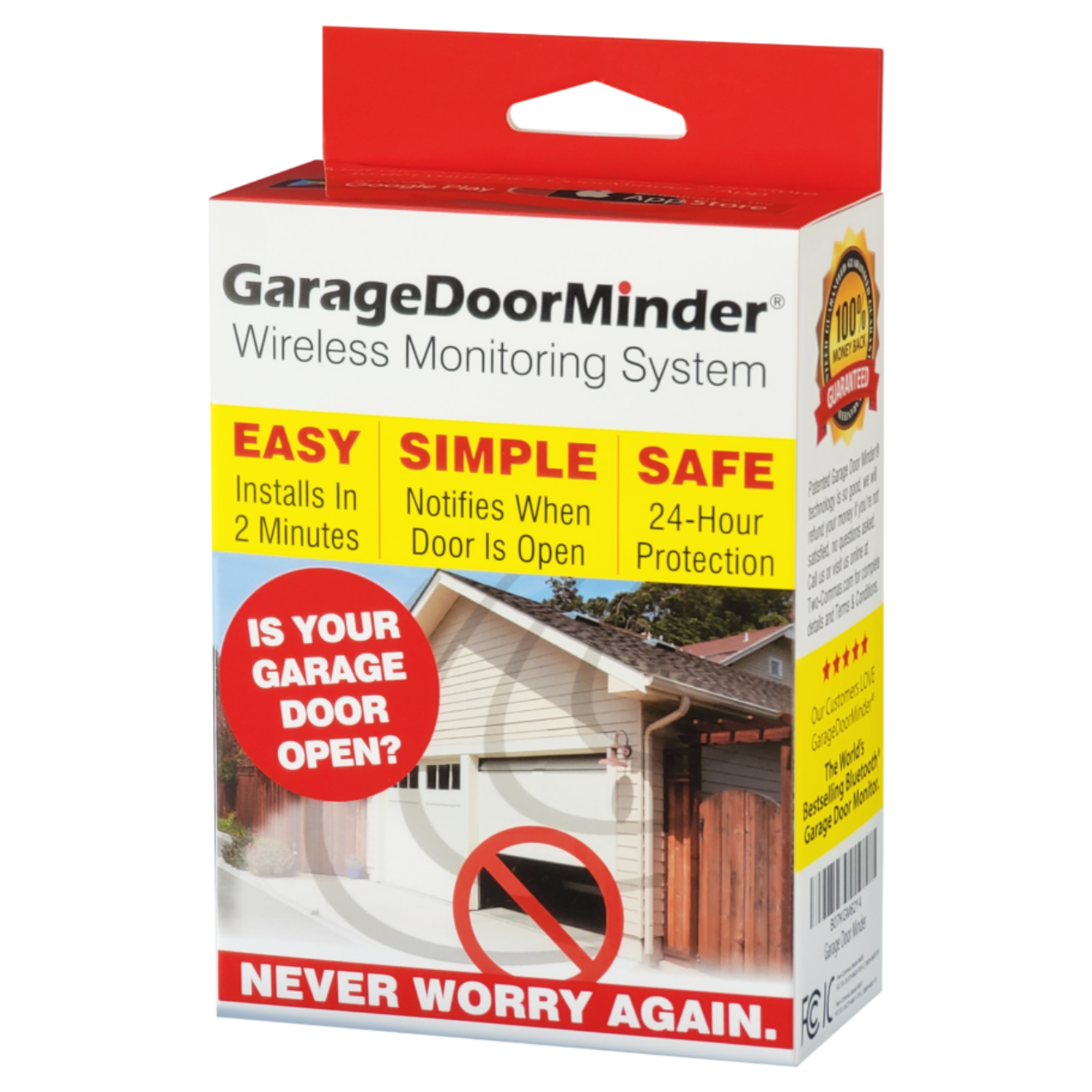
Most importantly, find a way to always know whether your garage door is open or closed. This is where many homeowners struggle — because it requires either perfect memory or a reliable monitoring system.
Home security isn’t just about preventing theft. It’s about peace of mind — living without that nagging worry, knowing your home is secure, and not wasting mental energy second-guessing yourself.
Your garage door plays a major role in that peace of mind. It may not be a flashy upgrade, but it’s one of the most impactful things you can do to strengthen your home’s security.
The good news? Garage security doesn’t have to be complicated. Solutions exist that are simple, effective, and accessible.
Your home is only as secure as its weakest point — and for many households, that weak point is the garage door.
But it doesn’t have to stay that way.

Garage, Home and Automotive Protection since 2016.