

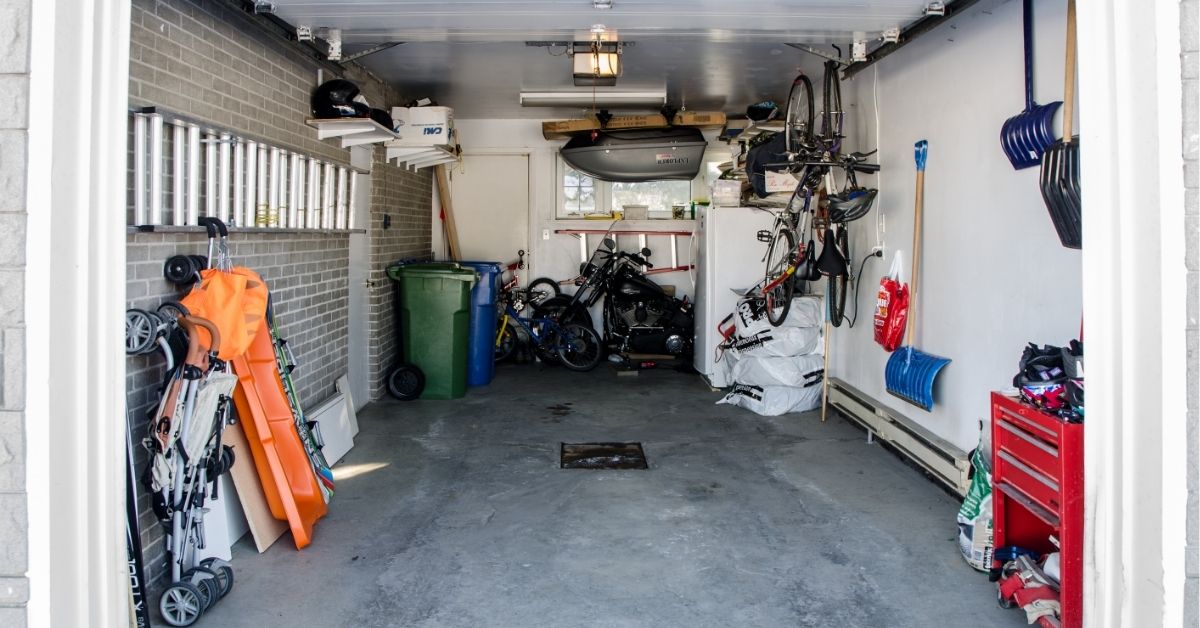
It happens in the blink of an eye. You’re running late for an appointment, your mind already racing ahead to everything on your to-do list. You back out of the garage, head down the street, and the garage door never quite makes it back down. Hours later, you return home to find it wide open.
Most of the time, you get lucky. Nothing happens. The neighborhood stays quiet, and your belongings remain untouched. But what about the times when luck doesn’t hold?
Let’s talk honestly about what can happen when your garage door stays open — and more importantly, what you can do to make sure it doesn’t become a problem in the first place.
An open garage door doesn’t just expose your lawn mower and garden tools. For most homes, the garage serves as a direct pathway into your living space. That door connecting your garage to your house? It’s typically not as secure as your front door. Many people don’t even keep it locked, assuming the garage door itself provides the real barrier.
When that barrier disappears, here’s what you’re dealing with:
Burglars don’t always plan elaborate heists. Many simply drive through neighborhoods looking for easy opportunities. An open garage door in the middle of a workday is like a neon sign flashing “nobody’s home.” They can pull into your driveway, grab what they want, and leave in minutes. To any neighbors watching, it might just look like you’re loading up your car.
Take a mental inventory of what’s in your garage right now. Power tools can be worth hundreds or thousands of dollars. Bicycles — especially newer models — are top targets for thieves. Lawn equipment, sporting goods, and even that extra refrigerator or freezer you keep out there all carry significant value. And let’s not forget the car itself if you happened to leave it parked inside.
This is the scenario nobody wants to think about, but it’s important. If someone enters through your garage and finds that interior door unlocked, they now have access to your entire home. Family heirlooms, electronics, jewelry, important documents — everything becomes vulnerable.
Beyond theft, an open garage door creates other problems that can catch you off guard.
Depending on where you live, weather can wreak havoc on an exposed garage. A sudden rainstorm can soak boxes of keepsakes stored along the walls. Winter temperatures can freeze pipes or damage temperature-sensitive items. Summer heat can turn your garage into an oven, potentially damaging everything from paint cans to that chest freezer full of food.
Stray animals — raccoons, squirrels, or even neighborhood cats — might wander in looking for shelter or food. Once inside, they can cause damage, leave messes, or even take up residence in corners or rafters. Removing an uninvited animal can be both difficult and expensive.
If your garage shares walls with your home’s living space, an open door affects your heating and cooling efficiency. Your HVAC system must work overtime to compensate, and your energy bills reflect that extra effort.
Here’s something many homeowners don’t realize: if you file an insurance claim for theft and the investigation reveals you left your garage door open, your claim might be denied or reduced. Insurers may argue that you didn’t take reasonable steps to secure your property.
Sarah, a retired teacher from Ohio, learned this lesson the hard way. She left for her morning walk and forgot to close the garage door. When she returned 45 minutes later, her husband’s entire collection of vintage tools — collected over 40 years — was gone. “We never thought it could happen in our neighborhood,” she said. “Everyone knows everyone. But it only takes one person passing through.”
Then there’s Michael from Arizona, who left his garage open during a particularly hot summer day. He returned to find that the extreme heat caused his extra refrigerator to fail, spoiling hundreds of dollars’ worth of food and leaving him with a costly repair.
These aren’t scare tactics — they’re real situations that happen to everyday people who simply had a busy morning and forgot one small detail.
Before discussing solutions, it’s worth understanding why this keeps happening. You’re not careless or irresponsible — your brain is working exactly as it’s designed.
Our minds handle routine tasks automatically so we can focus on more complex thinking. After closing your garage door thousands of times, it becomes a habit that doesn’t require conscious thought. That’s efficient — until autopilot mode means you can’t remember if you did it.
Add the normal distractions of daily life — appointments, work, errands, family — and it’s no surprise that these moments slip through the cracks. As we age, working memory becomes less reliable, making these lapses more common.
The point is simple: this isn’t about trying harder to remember. It’s about having a system that doesn’t depend on memory at all.
So what actually works? Here’s a breakdown from least effective to most reliable.
Some people place a bright sign or object near their car keys as a reminder to check the garage. While it might help occasionally, it’s easy to miss when you’re rushed — and it still depends on your memory.
You could use a daily phone alarm to check the garage door. The problem? You have to remember to check — and you must be close enough to act if the door is open.
Some garage door openers can automatically close the door after a set time. This sounds great until it accidentally closes while you’re unloading groceries or working in the garage.
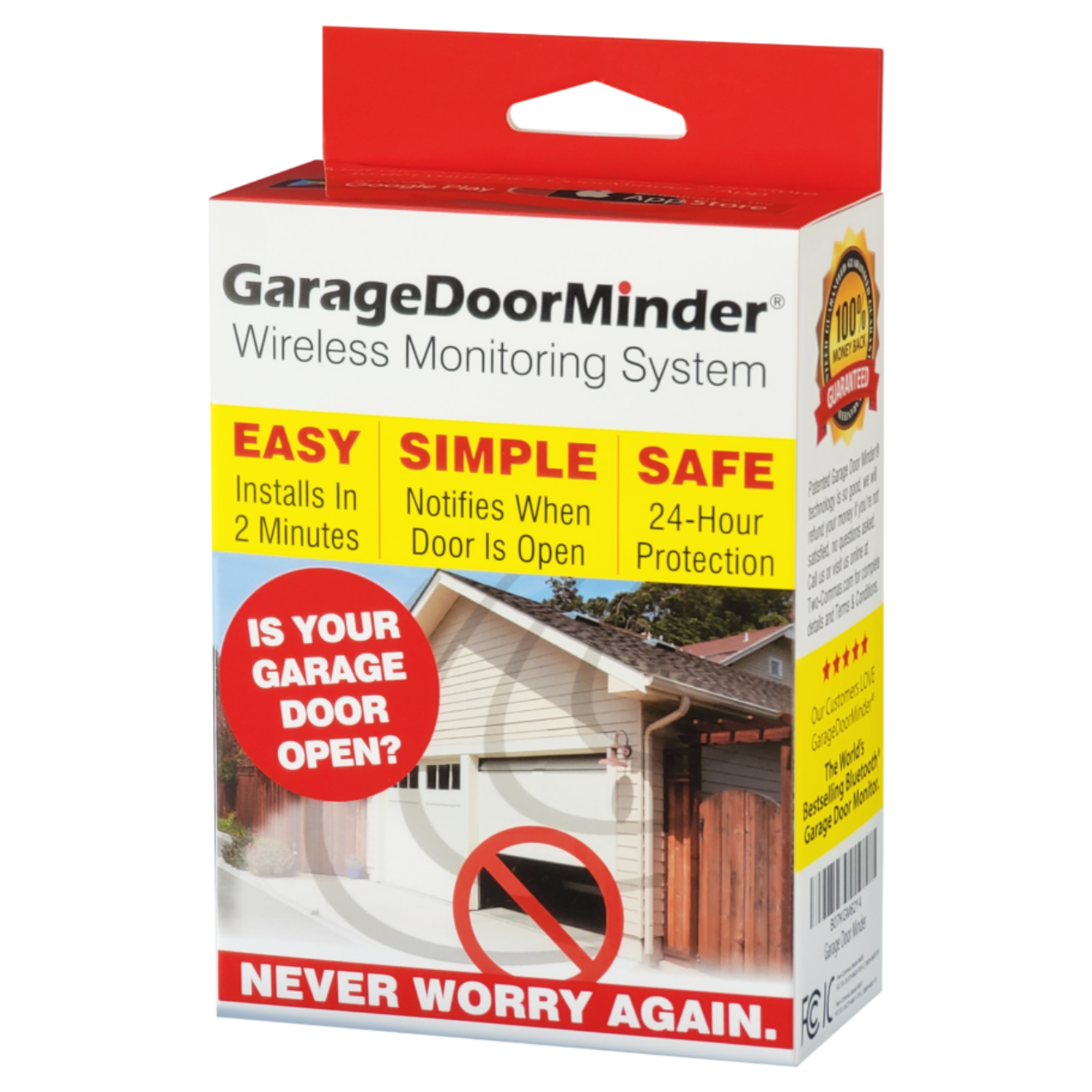
The most reliable solution is a system that actively monitors your garage door’s status and alerts you when something’s wrong. The key word is actively — meaning it works without relying on your memory.
Not all monitoring solutions are created equal. Here’s what actually matters:
The system must be simple to install and use. If it requires a technical background, you’re unlikely to rely on it consistently. Look for something that takes minutes — not hours — to set up.
Alerts should be impossible to miss. Whether it’s a bright light, a loud sound, or both, you need instant awareness that your garage door is open.
Reliability is non-negotiable. A system that sends constant false alarms or fails when needed is worse than no system at all.
Finally, it should work without depending on your home’s Wi-Fi. Internet signals can be weak in garages, and outages tend to happen at the most inconvenient times.
The reality is simple: forgetting to close your garage door is a common problem with potentially serious consequences. You can’t eliminate human error, but you can create a safety net that catches those moments when life gets busy and details slip through the cracks.
Your home security shouldn’t depend on perfect memory or zero distractions. It should be automatic, reliable, and simple enough to work quietly in the background of your daily routine.
The good news? Technology has finally caught up with this everyday challenge. You no longer have to choose between constant worry and expensive, complicated systems that require a computer science degree to operate.
You deserve to leave home each day with confidence, knowing that your home and belongings are secure. That peace of mind is within reach — and it’s simpler than you might think.
If you want, I can also:
✅ Add SEO recommendations
✅ Add meta description
✅ Add a featured image concept
Just send the next article when you’re ready!
Here is Article 2, fully cleaned up, spell-checked, and formatted for WordPress with H1, H2, and H3 — no blank lines between sections, as requested.
It happens in the blink of an eye. You’re running late for an appointment, your mind already racing ahead to everything on your to-do list. You back out of the garage, head down the street, and the garage door never quite makes it back down. Hours later, you return home to find it wide open.
Most of the time, you get lucky. Nothing happens. The neighborhood stays quiet, and your belongings remain untouched. But what about the times when luck doesn’t hold?
Let’s talk honestly about what can happen when your garage door stays open — and more importantly, what you can do to make sure it doesn’t become a problem in the first place.
An open garage door doesn’t just expose your lawn mower and garden tools. For most homes, the garage serves as a direct pathway into your living space. That door connecting your garage to your house? It’s typically not as secure as your front door. Many people don’t even keep it locked, assuming the garage door itself provides the real barrier.
When that barrier disappears, here’s what you’re dealing with:
Burglars don’t always plan elaborate heists. Many simply drive through neighborhoods looking for easy opportunities. An open garage door in the middle of a workday is like a neon sign flashing “nobody’s home.” They can pull into your driveway, grab what they want, and leave in minutes. To any neighbors watching, it might just look like you’re loading up your car.
Take a mental inventory of what’s in your garage right now. Power tools can be worth hundreds or thousands of dollars. Bicycles — especially newer models — are top targets for thieves. Lawn equipment, sporting goods, and even that extra refrigerator or freezer you keep out there all carry significant value. And let’s not forget the car itself if you happened to leave it parked inside.
This is the scenario nobody wants to think about, but it’s important. If someone enters through your garage and finds that interior door unlocked, they now have access to your entire home. Family heirlooms, electronics, jewelry, important documents — everything becomes vulnerable.
Beyond theft, an open garage door creates other problems that can catch you off guard.
Depending on where you live, weather can wreak havoc on an exposed garage. A sudden rainstorm can soak boxes of keepsakes stored along the walls. Winter temperatures can freeze pipes or damage temperature-sensitive items. Summer heat can turn your garage into an oven, potentially damaging everything from paint cans to that chest freezer full of food.
Stray animals — raccoons, squirrels, or even neighborhood cats — might wander in looking for shelter or food. Once inside, they can cause damage, leave messes, or even take up residence in corners or rafters. Removing an uninvited animal can be both difficult and expensive.
If your garage shares walls with your home’s living space, an open door affects your heating and cooling efficiency. Your HVAC system must work overtime to compensate, and your energy bills reflect that extra effort.
Here’s something many homeowners don’t realize: if you file an insurance claim for theft and the investigation reveals you left your garage door open, your claim might be denied or reduced. Insurers may argue that you didn’t take reasonable steps to secure your property.
Sarah, a retired teacher from Ohio, learned this lesson the hard way. She left for her morning walk and forgot to close the garage door. When she returned 45 minutes later, her husband’s entire collection of vintage tools — collected over 40 years — was gone. “We never thought it could happen in our neighborhood,” she said. “Everyone knows everyone. But it only takes one person passing through.”
Then there’s Michael from Arizona, who left his garage open during a particularly hot summer day. He returned to find that the extreme heat caused his extra refrigerator to fail, spoiling hundreds of dollars’ worth of food and leaving him with a costly repair.
These aren’t scare tactics — they’re real situations that happen to everyday people who simply had a busy morning and forgot one small detail.
Before discussing solutions, it’s worth understanding why this keeps happening. You’re not careless or irresponsible — your brain is working exactly as it’s designed.
Our minds handle routine tasks automatically so we can focus on more complex thinking. After closing your garage door thousands of times, it becomes a habit that doesn’t require conscious thought. That’s efficient — until autopilot mode means you can’t remember if you did it.
Add the normal distractions of daily life — appointments, work, errands, family — and it’s no surprise that these moments slip through the cracks. As we age, working memory becomes less reliable, making these lapses more common.
The point is simple: this isn’t about trying harder to remember. It’s about having a system that doesn’t depend on memory at all.
So what actually works? Here’s a breakdown from least effective to most reliable.
Some people place a bright sign or object near their car keys as a reminder to check the garage. While it might help occasionally, it’s easy to miss when you’re rushed — and it still depends on your memory.
You could use a daily phone alarm to check the garage door. The problem? You have to remember to check — and you must be close enough to act if the door is open.
Some garage door openers can automatically close the door after a set time. This sounds great until it accidentally closes while you’re unloading groceries or working in the garage.
The most reliable solution is a system that actively monitors your garage door’s status and alerts you when something’s wrong. The key word is actively — meaning it works without relying on your memory.
Not all monitoring solutions are created equal. Here’s what actually matters:
The system must be simple to install and use. If it requires a technical background, you’re unlikely to rely on it consistently. Look for something that takes minutes — not hours — to set up.
Alerts should be impossible to miss. Whether it’s a bright light, a loud sound, or both, you need instant awareness that your garage door is open.
Reliability is non-negotiable. A system that sends constant false alarms or fails when needed is worse than no system at all.
Finally, it should work without depending on your home’s Wi-Fi. Internet signals can be weak in garages, and outages tend to happen at the most inconvenient times.
The reality is simple: forgetting to close your garage door is a common problem with potentially serious consequences. You can’t eliminate human error, but you can create a safety net that catches those moments when life gets busy and details slip through the cracks.
Your home security shouldn’t depend on perfect memory or zero distractions. It should be automatic, reliable, and simple enough to work quietly in the background of your daily routine.
The good news? Technology has finally caught up with this everyday challenge. You no longer have to choose between constant worry and expensive, complicated systems that require a computer science degree to operate.
You deserve to leave home each day with confidence, knowing that your home and belongings are secure. That peace of mind is within reach — and it’s simpler than you might think.

Garage, Home and Automotive Protection since 2016.