

Not every home improvement is right for every homeowner. Some people genuinely don’t need a sprinkler system, a video doorbell, or a smart thermostat. And that’s perfectly fine — why invest in solutions for problems you don’t have?
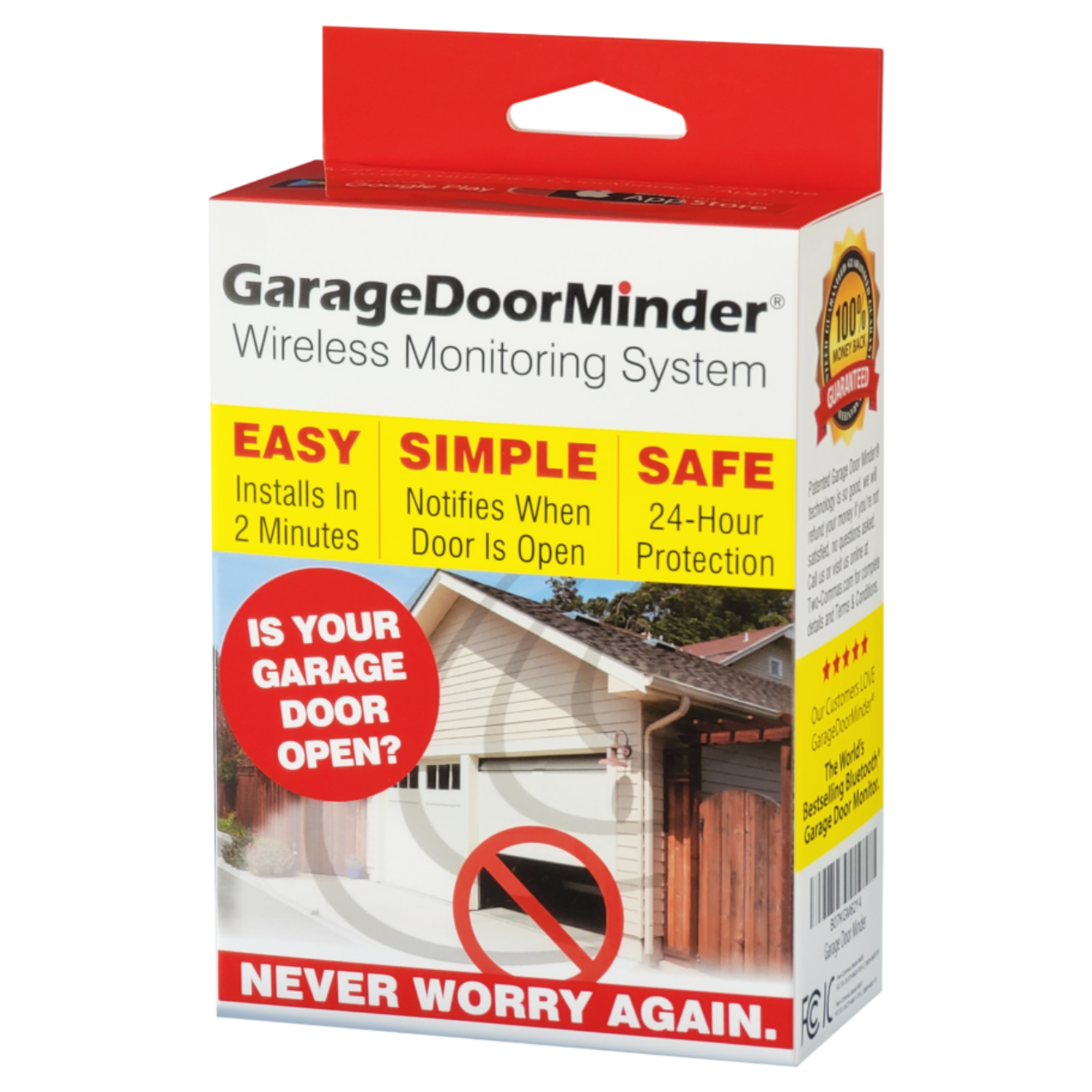
But when it comes to garage door monitoring, certain situations make it less of a “nice to have” and more of a “you really need this.” Here are the telltale signs that a garage door monitoring system should be on your priority list. If you frequently travel or spend long hours away from home, ensuring your garage door is secure is essential for your peace of mind. Additionally, if you’re not familiar with important garage door maintenance tips, a monitoring system can provide reminders and alerts about needed repairs or issues before they escalate. Prioritizing this technology can ultimately save you time, money, and potential security concerns.
Here’s the scenario: you’re ten minutes into your drive when doubt creeps in. Did you close the garage door? You’re not sure, and the uncertainty gnaws at you until you finally turn around to check.
You get home and — of course — the door is closed. It was closed all along. You feel a bit silly, but at least now you know. And now you’re running late.
If this has happened to you more than once, that’s your first sign.
You’re spending mental energy, time, and gas on a problem that has a simple solution. And beyond the inconvenience, that nagging doubt doesn’t go away on its own — it often gets worse as routines become more automatic and memories become less reliable.
Busy mornings are the enemy of attention to detail.
When you’re juggling getting yourself ready, preparing breakfast, helping grandkids, or rushing to appointments, small tasks fall through the cracks.
If your mornings feel like controlled chaos, a monitoring system becomes a safety net. You rely on calendars for appointments and autopay for bills — a garage door monitor works the same way. It takes a vulnerable point and makes it automatic.
When multiple people live in a home, there’s a built-in backup system. If one person forgets to close the garage, another might notice.
But when you live alone — or you’re the main person coming and going — that safety net disappears.
This sign is especially relevant for:
When you’re the only one checking, the stakes are higher — and reliable systems matter more.
Let’s address this honestly: as we get older, working memory naturally becomes less reliable.
You might forget why you walked into a room or whether you completed a small task. It’s normal aging — not cognitive decline — but it does make relying solely on memory for home security impractical.
A garage door monitor isn’t just convenient. It’s a simple way to maintain independence and peace of mind without asking more of your memory than it can deliver. With real-time updates and notifications, a garage door monitor helps you stay aware of your home’s security at all times. This technology is part of a larger trend towards enhanced garage door security solutions, ensuring that you can enjoy peace of mind while focusing on what truly matters in your life. By integrating smart devices into your daily routine, you can effortlessly monitor your surroundings and take proactive steps to safeguard your property. These devices provide real-time updates about the status of your garage door, ensuring you always know whether it’s open or closed. With various garage door monitoring solutions available, you can choose the one that best fits your lifestyle and preferences. This level of awareness not only enhances security but also allows you to focus on other important tasks without constant worry.
There’s wisdom in recognizing limitations and putting systems in place to support them.
This is the clearest sign of all.
If you’ve returned home to find your garage door open when you thought you closed it, you’ve experienced the problem firsthand.
Maybe nothing happened. Maybe you got lucky.
But the anxiety afterward?
The questions?
The “what if?”
That sticks with you.
And once you’ve done it once, it’s likely to happen again unless you change something. A monitoring system closes that loop permanently.
Before a trip, you double-check locks, adjust the thermostat, stop the mail, and secure the house.
But the morning you leave? That’s when mistakes happen.
In the rush to catch a flight or get on the road, the garage door is easy to forget — and that uncertainty can linger for days.
If you travel often, knowing the garage door is closed brings enormous peace of mind. You shouldn’t spend your vacation wondering whether your home is secure.
All six signs point to the same issue: the gap between good intentions and perfect execution.
You’re not forgetting because you’re careless — you’re forgetting because you’re human.
Real life is full of distractions, habits, and interruptions. The solution isn’t to try harder — it’s to put a reliable system in place so you don’t have to try at all.
Many people see themselves in two, three, or even all six of these signs. They overlap:
The more signs that fit you, the clearer the picture becomes. This isn’t paranoia — it’s practical self-protection.
Home security should be based on your needs, not what others think you should have.
If even one of these signs resonates with you, trust that instinct. Wanting certainty about your garage door isn’t overcautious — it’s smart.
The question isn’t whether you could manage without a monitoring system. Of course you could.
The real question is:
If you recognize yourself in these six signs, you already know the answer.



Garage, Home and Automotive Protection since 2016.