Home security often focuses on protecting possessions like tools, vehicles, and equipment. While these are important, an open garage door creates risks that go beyond property loss and can directly affect your family’s safety and wellbeing.
Here are three ways an unsecured garage door can put your household at risk—and what you can do about each.
Risk #1: Direct Access to Your Living Space
Most modern homes have attached garages with interior doors leading directly into the house. That interior door is your last line of defense when the garage door is open—and it’s often much less secure than you think.
The Reality of Interior Doors
Many garage-to-house doors are hollow-core: lightweight, inexpensive, and easy to force open. Locks may be simple keyed locks, privacy locks, or sometimes no lock at all. Many homeowners rely solely on the garage door as the barrier.
What Happens When the Garage Door Is Open
When the garage door is open, intruders can see inside and assess your interior door. An unlocked or easily compromised door becomes a direct path into your home. Burglaries often exploit this vulnerability, with intruders using the garage for cover while manipulating the interior door.
Why This Is Especially Dangerous for Families
- Children or elderly family members may not respond quickly to intruders.
- An open garage at night leaves a critical entry point unprotected.
- Any occupant in the home may be unaware of someone entering.
Practical Solutions
- Upgrade the interior door to a solid-core model with a quality deadbolt.
- Keep the door locked at all times, even if the garage door is closed.
- Consider a simple red/green indicator showing whether the door is locked.
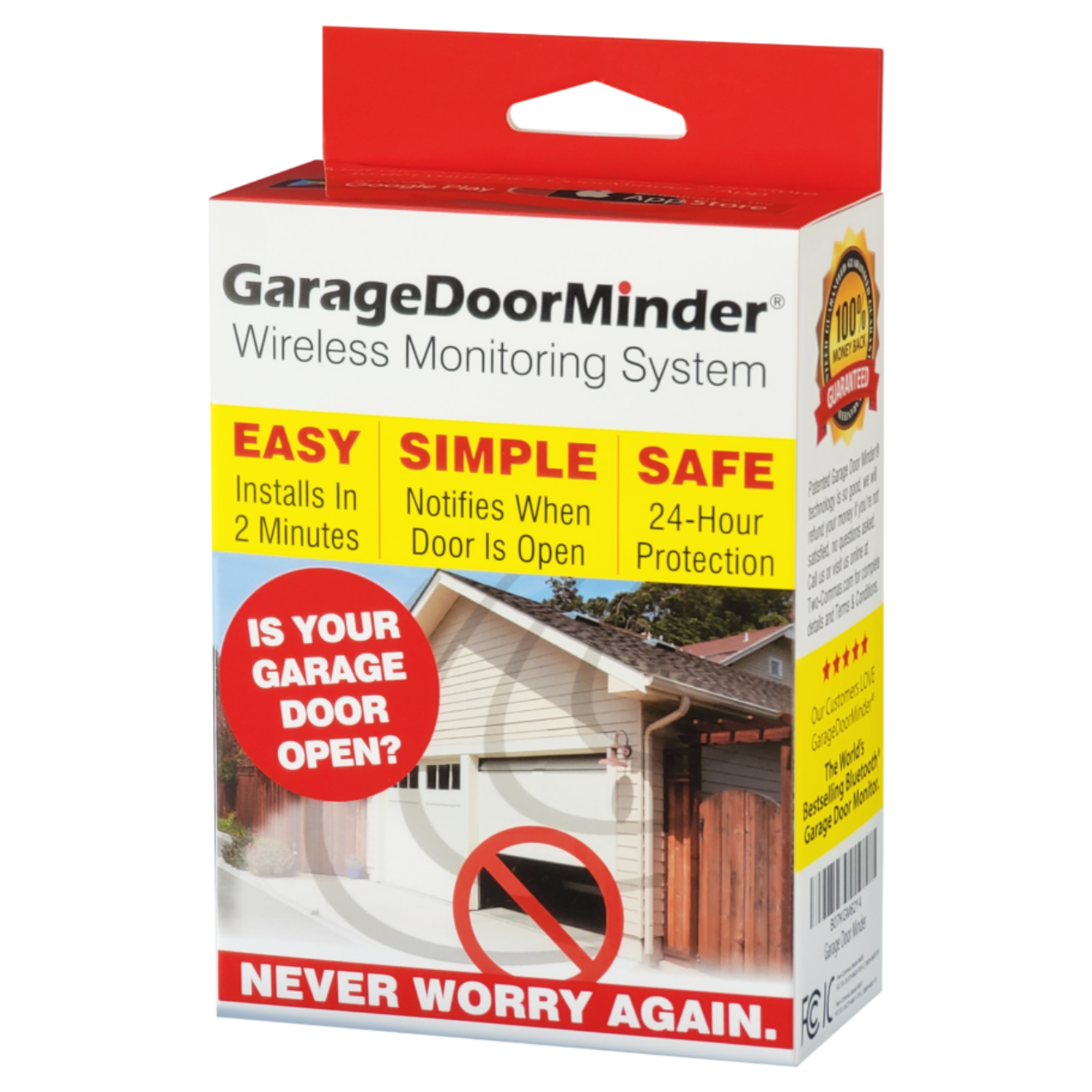
- Always verify that your garage door is closed—monitoring systems provide real-time awareness.
Risk #2: Creating Opportunities for Crime in Your Neighborhood
Your home security affects more than just your property—it impacts the entire neighborhood.
How Criminals Assess Risk
Burglars look for patterns and signs of neglect. An open garage door during work hours signals an empty house and may mark your property—and potentially your neighbors’ homes—as easier targets.
The Neighborhood Effect
- A poorly secured home can attract criminal attention to nearby homes.
- Well-maintained, monitored neighborhoods experience less crime overall.
- Your security habits contribute to the collective safety of your community.
Psychological Impact on Your Family
- A burglary can cause lasting anxiety for children, elderly relatives, or anyone home alone.
- Loss of security may be more traumatic than the financial loss itself.
Practical Solutions
- Know your neighbors and watch for unusual activity.
- Participate in neighborhood watch programs, formal or informal.
- Arrange for mail pickup or property checks when traveling.
- Maintain your own security so your home doesn’t become the neighborhood weak link.
Risk #3: Exposure to Environmental and Health Hazards
Not all garage risks involve criminals. An open garage can expose your family to environmental and health hazards.
Carbon Monoxide
- Running vehicles in a closed garage can create deadly carbon monoxide buildup.
- A garage monitoring system ensures you know whether the door is closed and prevents accidental exposure.
Weather-Related Risks
- Cold drafts in winter can affect adjacent rooms, especially dangerous for elderly family members or children.
- Rain, snow, or storms can damage stored items, medications, or sensitive materials.
- Excessive summer heat in the garage can impact home temperatures and comfort.
Pest and Animal Entry
- Open garages attract rodents, stray animals, and insects that can pose health and safety risks.
- Even with careful storage, an open door allows easier access for pests.
Hazardous Materials
- Paints, chemicals, and automotive fluids stored in garages can be dangerous if accessed by children or visiting grandchildren.
- Locking these materials or placing them on high shelves reduces risk.
Practical Solutions
- Install carbon monoxide detectors near the garage and in sleeping areas.
- Never run vehicles in a closed garage; always ensure ventilation.
- Use garage door monitoring systems to confirm doors are closed during adverse weather.
- Store hazardous items securely, even if someone gains access to the garage.
The Common Thread: Awareness Prevents Risk
All three categories—home intrusion, neighborhood crime, and environmental hazards—are preventable through simple awareness of your garage door status.
- A visual indicator showing whether the garage door is closed eliminates uncertainty.
- Monitoring doesn’t require complex systems, constant vigilance, or high costs.
- Knowing the status of your garage door provides confidence, peace of mind, and safety for your family.
Taking Responsibility for Family Safety
Protecting your family is less about elaborate systems and more about addressing real risks reliably:
- An open garage door is a preventable risk.
- Monitoring systems provide definitive awareness of the door’s status.
- Small actions like ensuring the door is closed yield outsized benefits for safety and peace of mind.
Your family deserves that security—and the reassurance that comes with knowing you’ve taken effective steps to protect them.