Garage Door Openers vs. Garage Door Monitors: What’s the Difference?
When exploring garage door security solutions, you’ll come across garage door openers and garage door monitors. While they may sound similar, they serve distinct purposes, and many homeowners aren’t sure whether they need one, the other, or both.
Let’s break it down.
Garage Door Openers: The Muscle
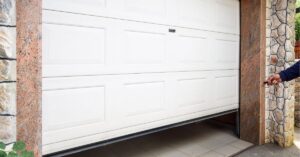
A garage door opener is the motorized device mounted on your garage ceiling that physically opens and closes your garage door.
What It Does
Provides mechanical force to lift and lower your door
Engages via remote, wall switch, or keypad
Modern openers include:
Electric motor for lifting power
Drive mechanism (chain, belt, or screw)
Safety sensors to detect obstructions
Control system for remotes and switches
Emergency release for manual operation
What It Doesn’t Do
Despite “smart” labels, most openers do not actively report door status. They stop the motor when fully closed but don’t communicate that information to you.
When You Might Replace It
Consider replacement if your opener:
Is 15+ years old without modern safety features
Operates unreliably or requires multiple button presses
Is excessively loud
Costs nearly as much to repair as replace
Has frequent mechanical failures
Cost
Typical opener: $200–$500 (plus installation)
Garage Door Monitors: The Awareness System
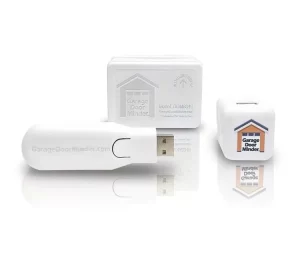
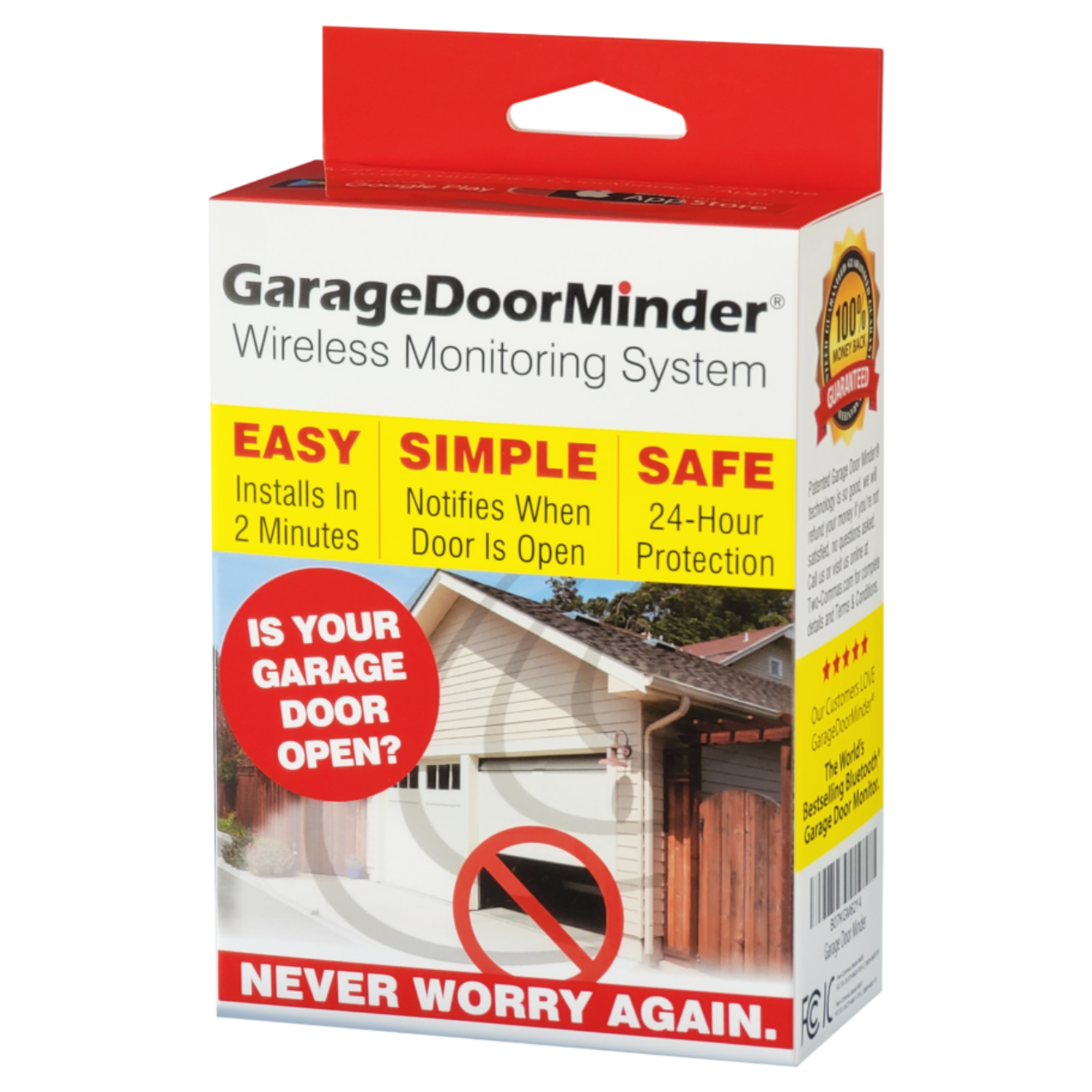
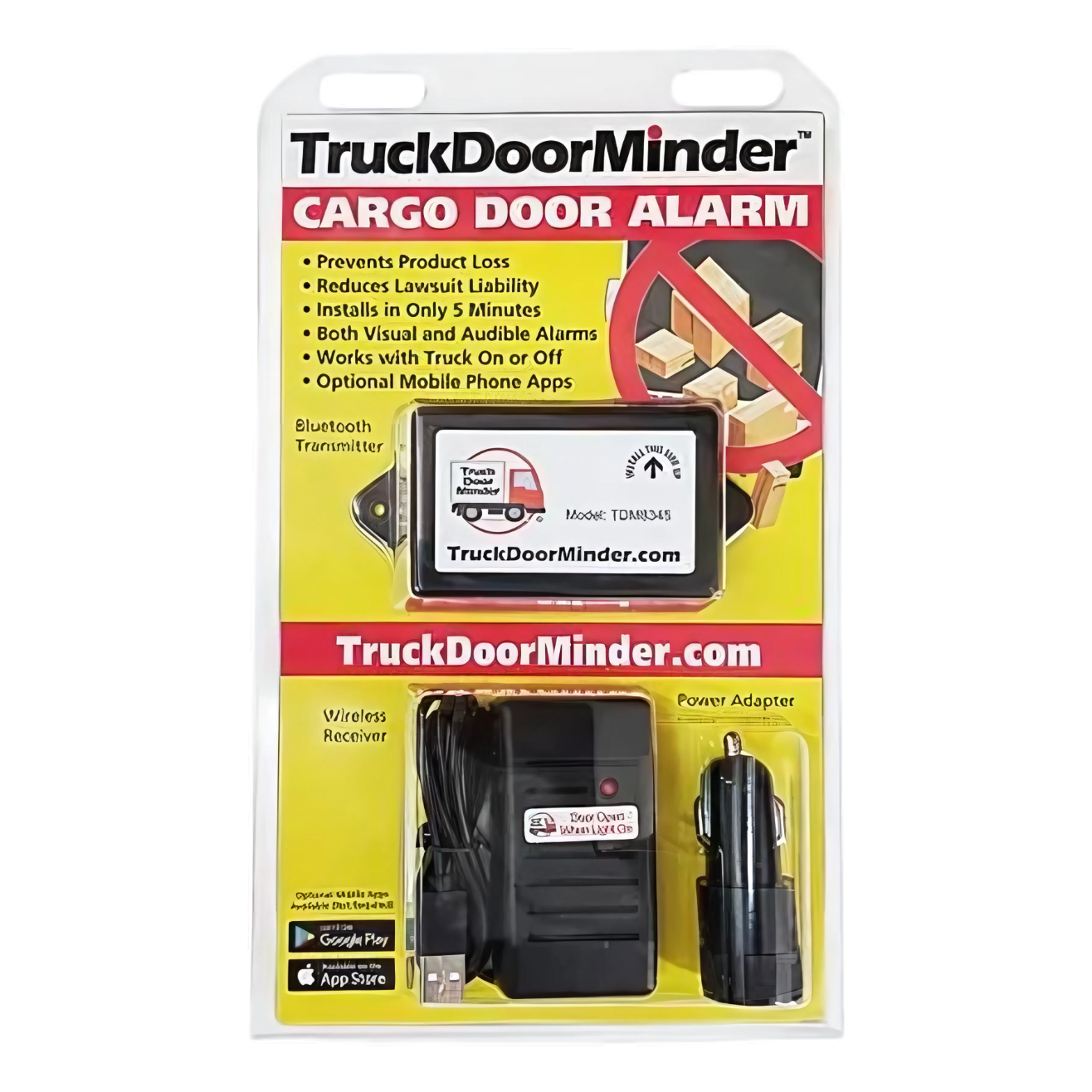
A garage door monitor is a separate device that tracks whether your garage door is open or closed and alerts you. By sending notifications to your smartphone or displaying a signal on a panel inside your home, the garage door monitor ensures you are always aware of your garage door’s status, enhancing your home security. For those unfamiliar with this technology, a garage door monitor explained can clarify its benefits, making it an essential addition for any homeowner seeking peace of mind. This device serves as a convenient tool, allowing you to check your garage door’s position even when you are away from home. When choosing a garage door monitor, it’s important to consider features such as battery life, connectivity options, and compatibility with existing smart home systems. Many models also offer additional functionalities, like integration with alarms or cameras for a comprehensive security solution. By carefully selecting the right monitor, you can maximize the safety and convenience of your home while enjoying complete peace of mind.
What It Does
Uses sensors to detect door position
Communicates via visual indicators, audio alerts, or smartphone notifications
Typical system includes:
Sensor attached to the door
Receiver unit inside home
LED or other visual indicators
Optional audio alerts
What It Doesn’t Do
Cannot open, close, or control the door mechanically
Purely informational—like a thermometer for your garage
Who Benefits
Homeowners who often wonder if the door is closed
Those who’ve left the door open accidentally
People seeking peace of mind without physically checking
Cost
$30–$150, usually DIY installation
Key Differences: Openers vs. Monitors
Feature
Garage Door Opener
Garage Door Monitor
Function
Mechanically moves the door
Tells you if door is open/closed
Installation
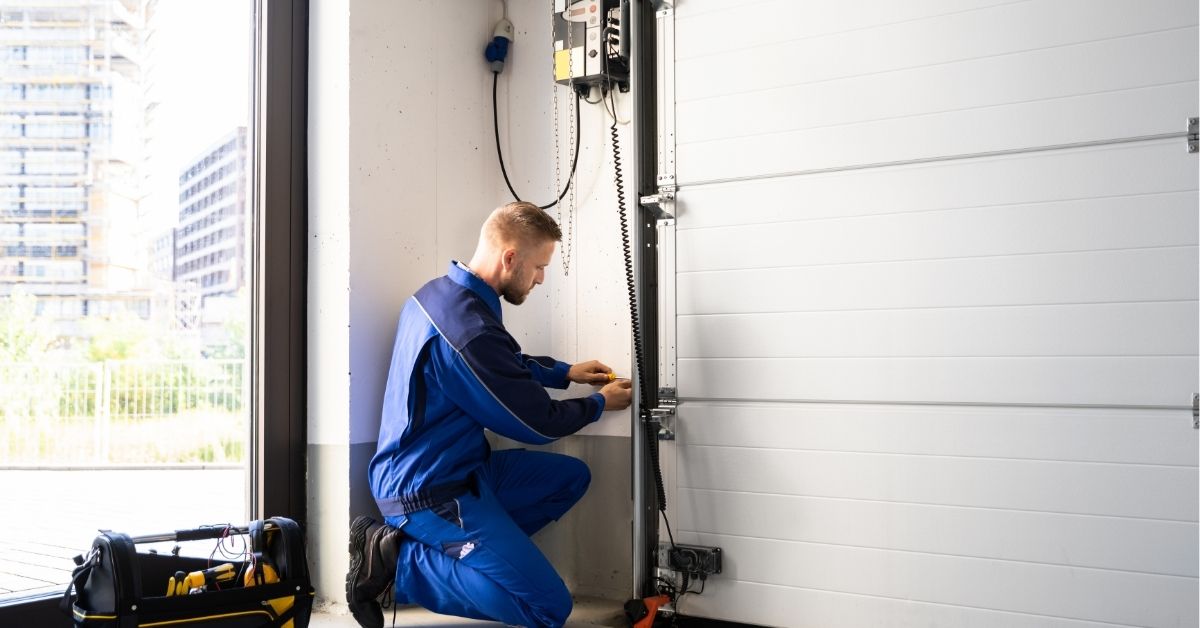
Ceiling mount, electrical work; usually professional
Sensor and receiver; DIY-friendly
Cost
$200–$500 (+ installation)
$30–$150 (usually no cost)
Replacement
10–15 years
Many years, simple battery replacement
Dependency
Essential for automatic operation
Optional for awareness
Technology
Mechanical + electrical components
Simple sensors and receivers
How They Work Together
Opener: Provides convenient mechanical operation
Monitor: Provides awareness of door status
Together: You get automatic operation plus peace of mind
Independent Operation
Monitors can work with any opener
Opener continues to work if monitor fails
Batteries in the monitor don’t affect opener function
The Smart Opener Confusion
“Smart garage door openers” combine opening, monitoring, and remote access via smartphone apps.
Pros
All-in-one solution
Remote control from anywhere
Cons
High replacement cost ($300–$800 plus installation)
Requires Wi-Fi setup, apps, and accounts
Reliant on internet and servers
Often unnecessary if you just need status awareness
When It Makes Sense
Replacing an old opener anyway
Comfortable with connected tech
Making the Right Choice
Ask yourself:
Opener works fine? Keep it and add a monitor.
Opener needs replacement? Consider smart if tech-friendly; otherwise, replace with traditional opener + monitor.
Primary need is awareness? Dedicated monitor is simpler, cheaper, and more reliable.
Budget-conscious? A monitor provides peace of mind without expensive replacement.
Bottom Line
Garage door openers: Essential for automatic operation
Garage door monitors: Optional but valuable for peace of mind
You don’t need to replace a functioning opener just to gain awareness. For most homeowners, the ideal solution is:
Keep a reliable existing opener
Add a dedicated monitor for status awareness
Replace opener only when it’s no longer reliable
This approach minimizes cost, reduces complexity, and solves the real problem—knowing with certainty whether your garage door is closed.
Understanding the difference empowers better decisions. Opener = movement. Monitor = awareness. Both together = convenience + peace of mind.