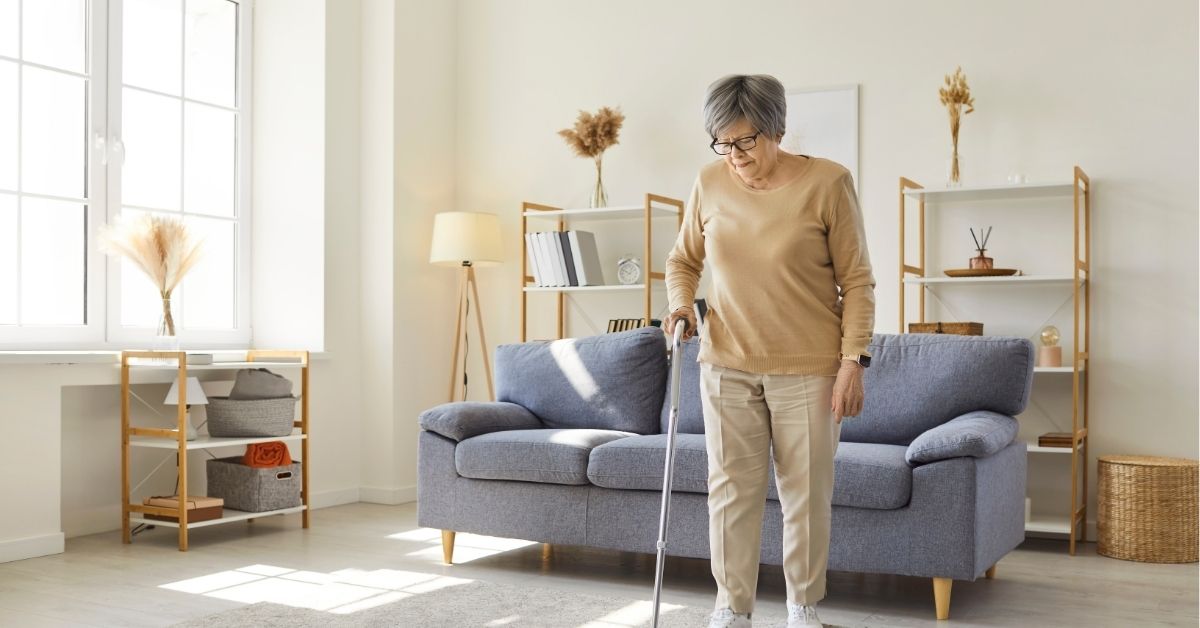
Most people want to remain in their own homes as they age. Staying in a familiar space preserves comfort, memories, and independence. Moving to assisted living or relying heavily on family often feels like giving up the autonomy you’ve spent a lifetime building.
The good news: aging in place doesn’t require major renovations or turning your home into a medical facility. Strategic, often simple modifications can help you live safely, comfortably, and independently in the home you love.
Understanding Aging in Place
Aging in place means staying in your own home as you get older, rather than moving to retirement communities, assisted living, or nursing facilities. It’s about maintaining independence in familiar surroundings for as long as possible.
Why It Matters
- People who age in place tend to be happier and healthier.
- Staying connected to your community and routines supports mental and emotional wellbeing.
- Moving is expensive and disruptive; simple modifications can extend the life of your current home by decades.
The Key Principle
The best modifications are subtle and natural. They should support independence without highlighting limitations, blending seamlessly with your home’s design.
Security and Monitoring Modifications
Home security that works with memory and mobility limitations is essential.
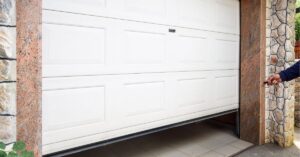
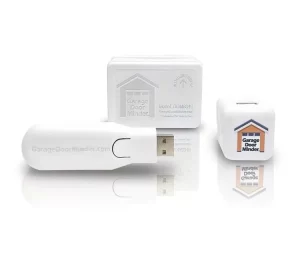
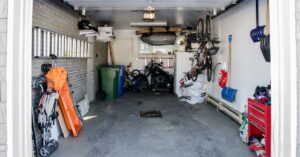
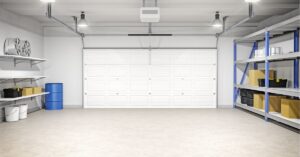
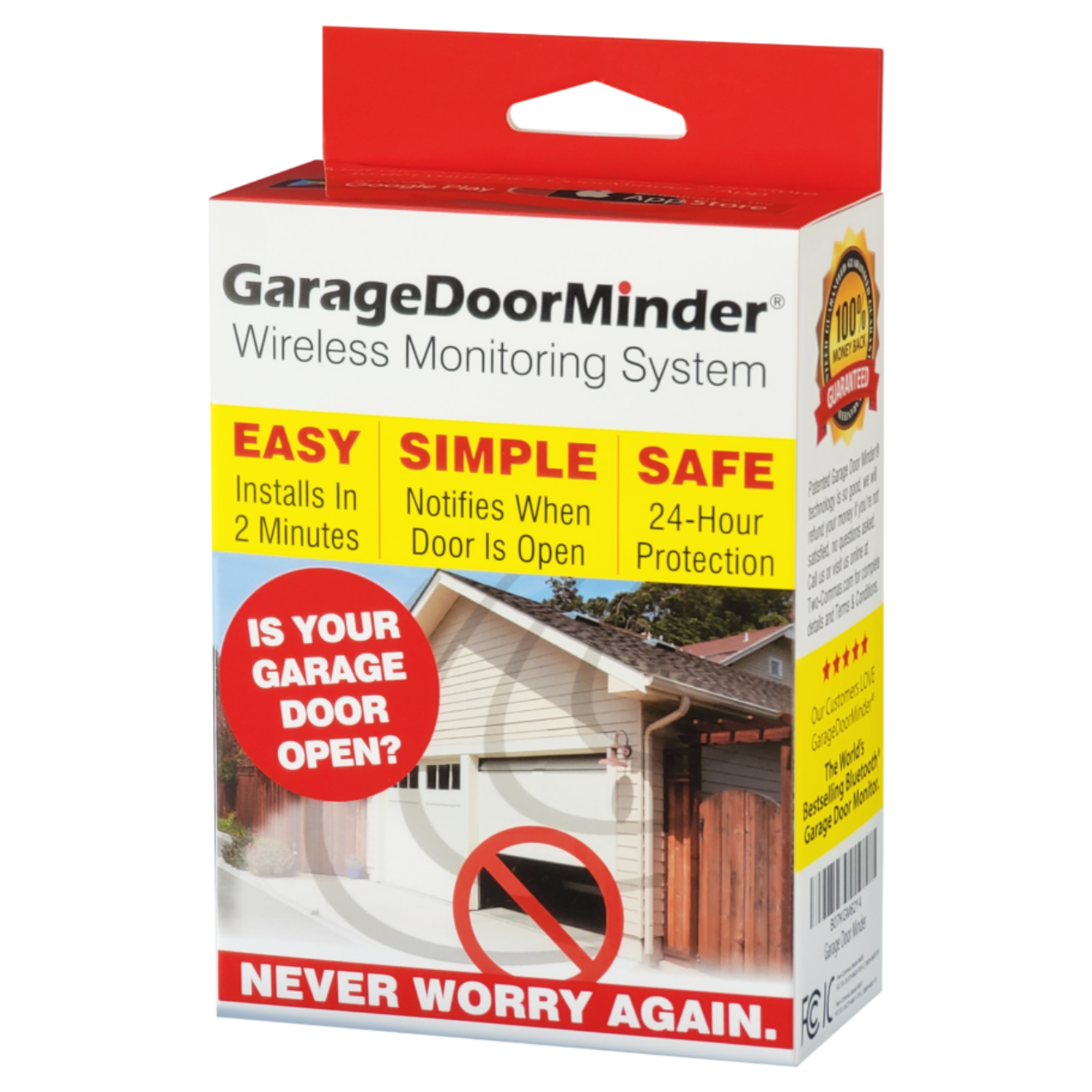
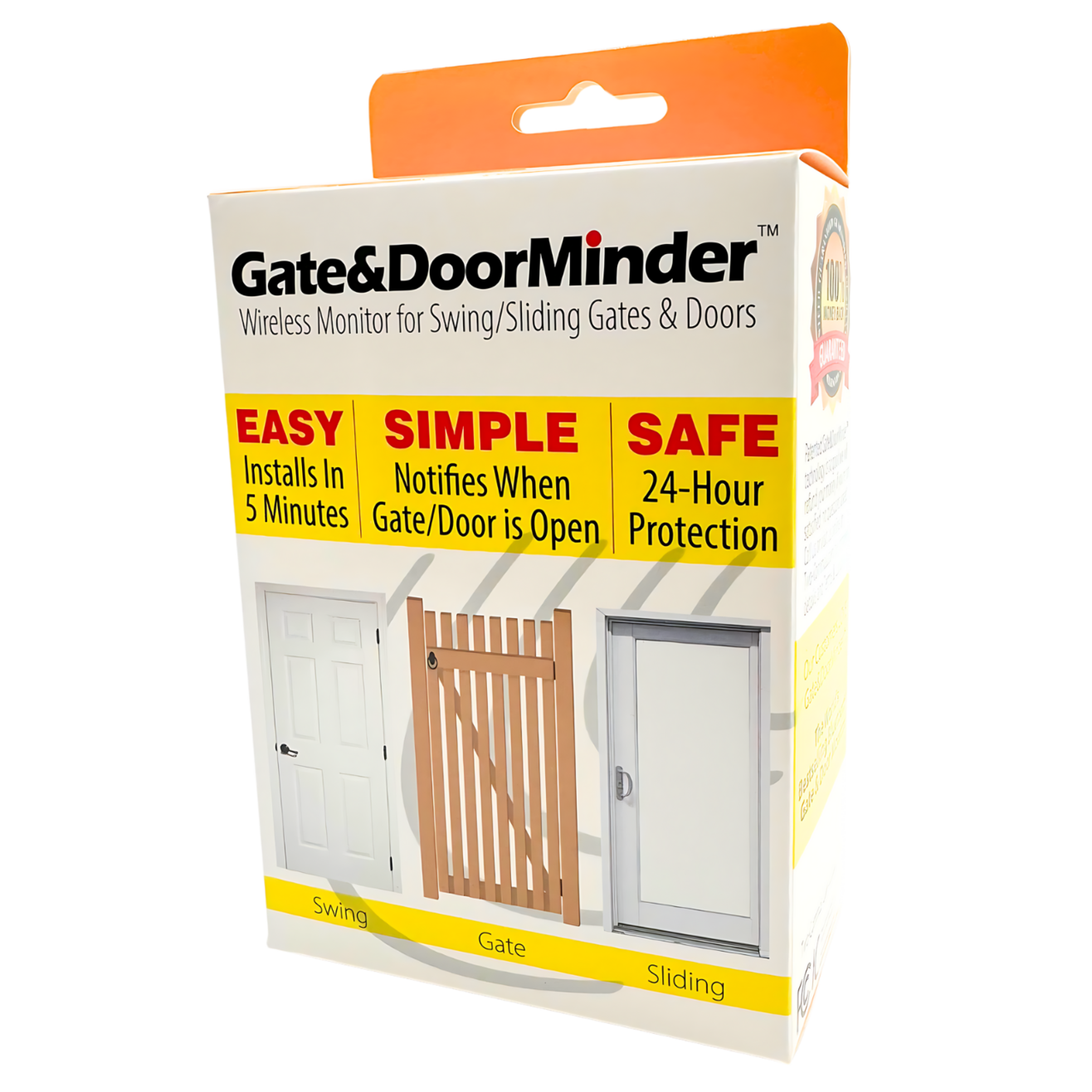
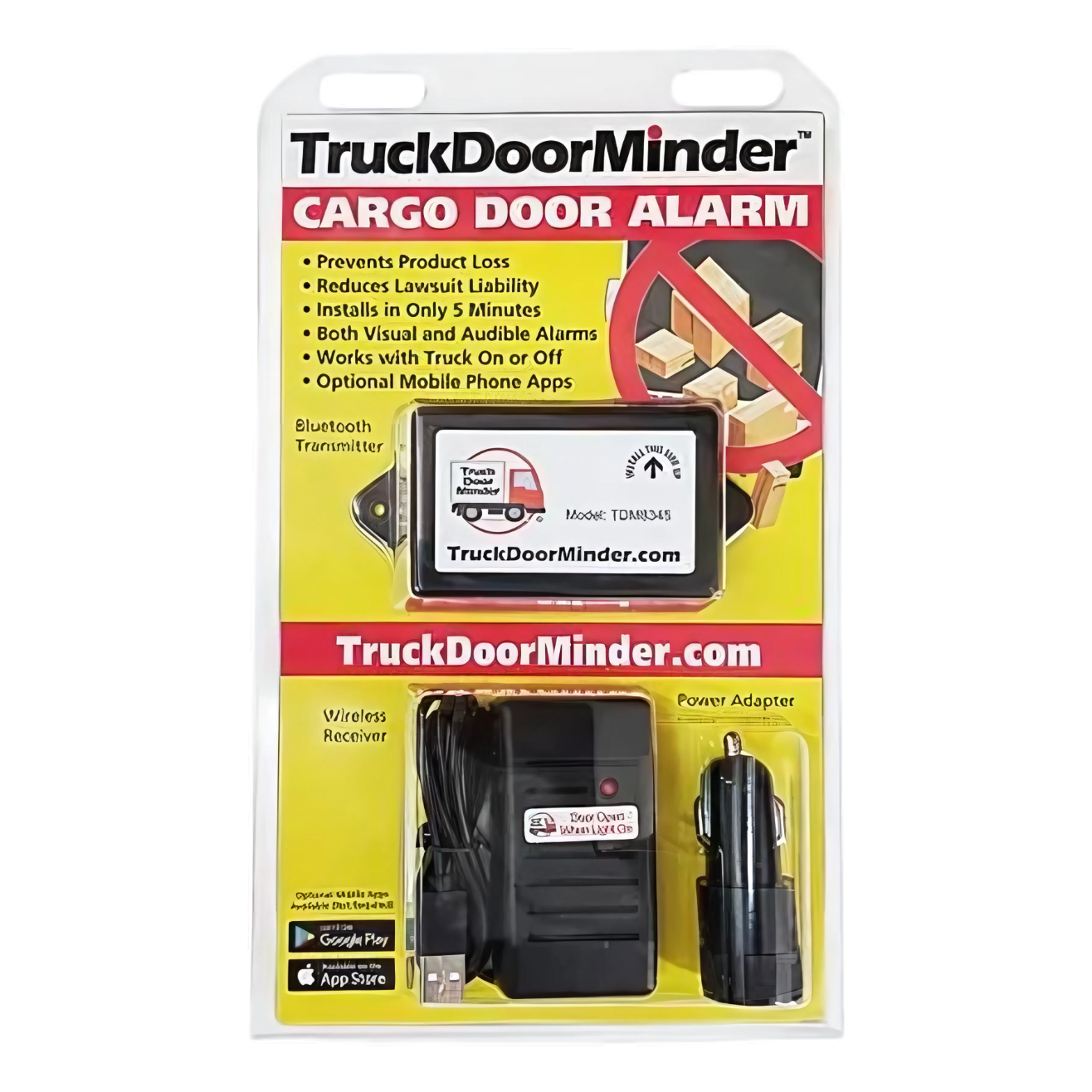
Garage Door Monitoring
- Eliminates unnecessary trips to the garage.
- Reduces stress from uncertainty about whether the door is closed.
- Provides safety backup if memory becomes unreliable.
Tips:
- Choose systems with large, bright visual indicators.
- Use audio alerts as backup to catch missed visual cues.
Smart Locks with Visual Confirmation
- Color-coded locks (red for unlocked, green for locked) allow instant verification.
- Removes the need to physically check locks or rely on memory.
Motion-Activated Lighting
- Prevents falls and supports visibility as vision changes with age.
- Install in hallways, bathrooms, staircases, and bedroom-to-bathroom paths.
- Lights turn on automatically, requiring no effort or memory.
Bathroom Safety Without the Hospital Look
Bathrooms are high-risk areas for falls and mobility challenges.
Grab Bars That Blend In
- Modern grab bars come in stylish finishes that look intentional, not medical.
- Install near toilets, showers, and tubs for natural support.
Walk-In Showers
- Curbless, step-free showers are safer and easier to use.
- They’re considered a desirable home feature, not just an aging accommodation.
Non-Slip Surfaces
- Replace slippery tiles with textured flooring.
- Use non-slip mats in showers and tubs.
Raised Toilet Seats
- Make sitting and standing easier.
- Modern designs blend seamlessly with existing toilets.
Kitchen Accessibility
Small modifications maintain usability without major renovations.
- Pull-Out Shelves: Reduce bending and reaching.
- Single-Lever Faucets: Easier to operate with reduced hand strength.
- Task Lighting: Under-cabinet lights improve visibility.
- Accessible Storage: Keep frequently used items at waist or shoulder height.
Entry and Exit Modifications
Safe access to your home is fundamental.
- Ramp or Step Improvements: Ensure solid handrails, good lighting, and non-slip surfaces. Gentle ramps can be installed discreetly.
- Keyless Entry: Keypad systems reduce fumbling with keys in low light or bad weather.
- Covered Entries: Protect from weather while unlocking doors or receiving packages.
Bedroom and Living Space Considerations
- Bedroom on Main Floor: Converting a main-floor room reduces dependence on stairs.
- Clear Pathways: Remove clutter and loose rugs to prevent falls.
- Accessible Light Switches: Place switches at convenient heights; consider night-light integration.
- Emergency Alert Systems: Modern fall-detection devices are discreet and provide peace of mind.
Technology That Supports Independence
- Voice-Activated Assistants: Control lights, set reminders, and get information without complex devices.
- Large-Button Phones: Simplify communication for vision or dexterity changes.
- Automated Medication Dispensers: Organize pills, provide reminders, and reduce cognitive load.
Financial Reality
Many modifications are affordable compared to moving or paying for assisted living.
- Prioritize by Impact: Focus first on low-cost, high-benefit changes (grab bars, lighting, monitoring systems).
- Major Renovations: Bathrooms or main-floor bedrooms cost more but may still be less than a single year in assisted living.
- Insurance & Tax Benefits: Some modifications may qualify for coverage or deductions—consult a professional.
- Return on Investment: Consider the value of maintaining independence and staying in your home longer.
Planning Ahead
- Start Before You Need It: Thoughtful planning allows gradual adaptation rather than crisis-driven changes.
- Begin with Easy Wins: Garage monitoring, improved lighting, and non-slip surfaces offer immediate benefits.
- Think 5–10 Years Ahead: Plan bathrooms, doorways, and storage with future mobility needs in mind.
Maintaining Dignity and Independence
The goal of all modifications is to support independent living on your terms. This isn’t about giving up or acknowledging limitations—it’s about smart planning that extends autonomy.
Your home should support you, not work against you. Thoughtful aging-in-place modifications make that possible, letting you live safely, comfortably, and confidently for years to come.