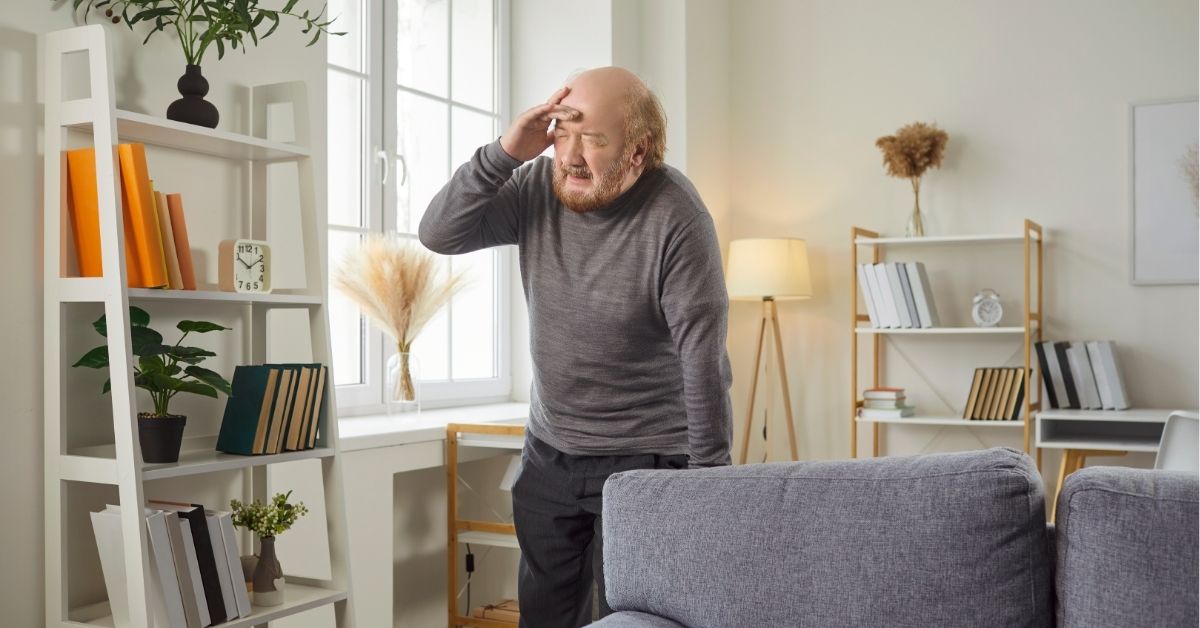
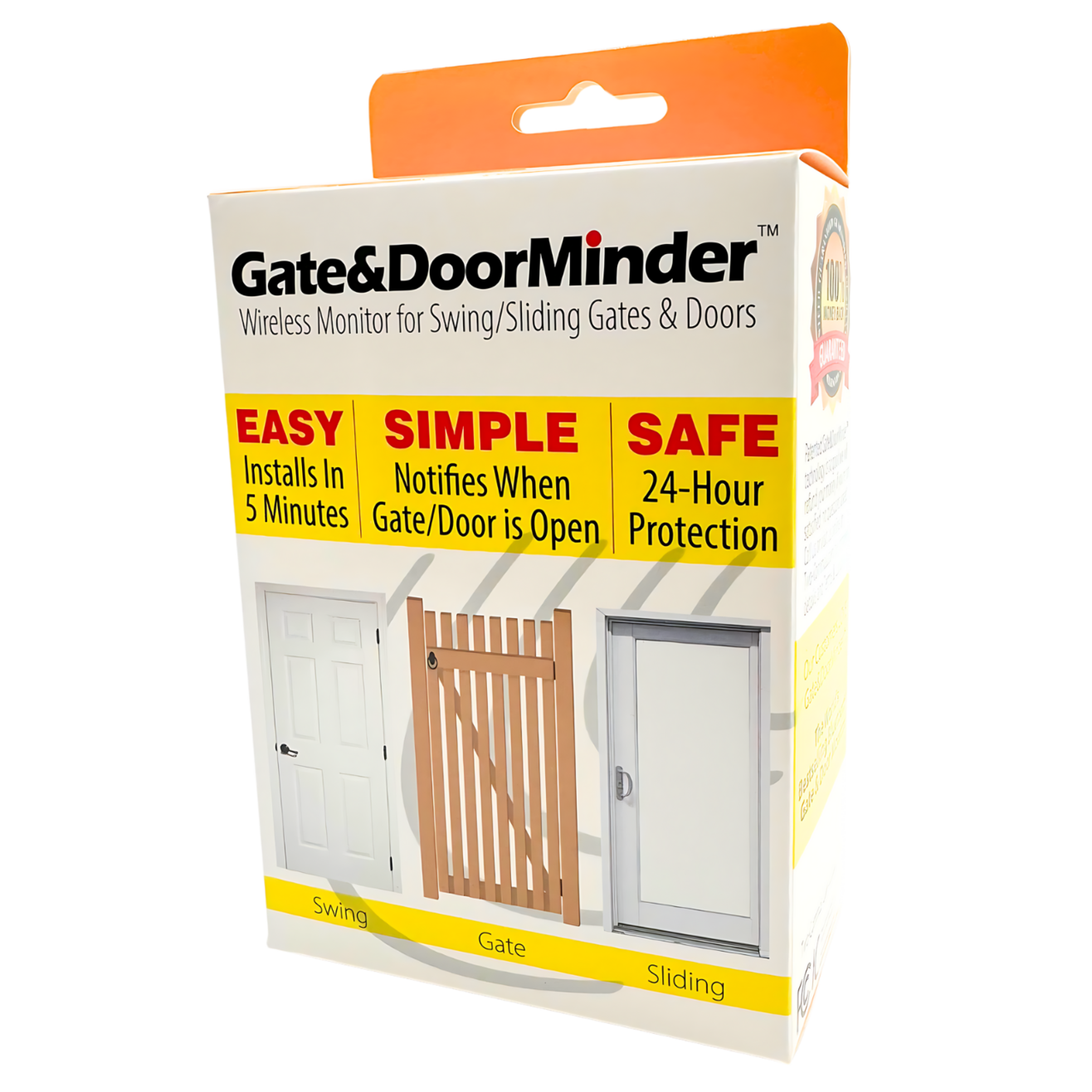
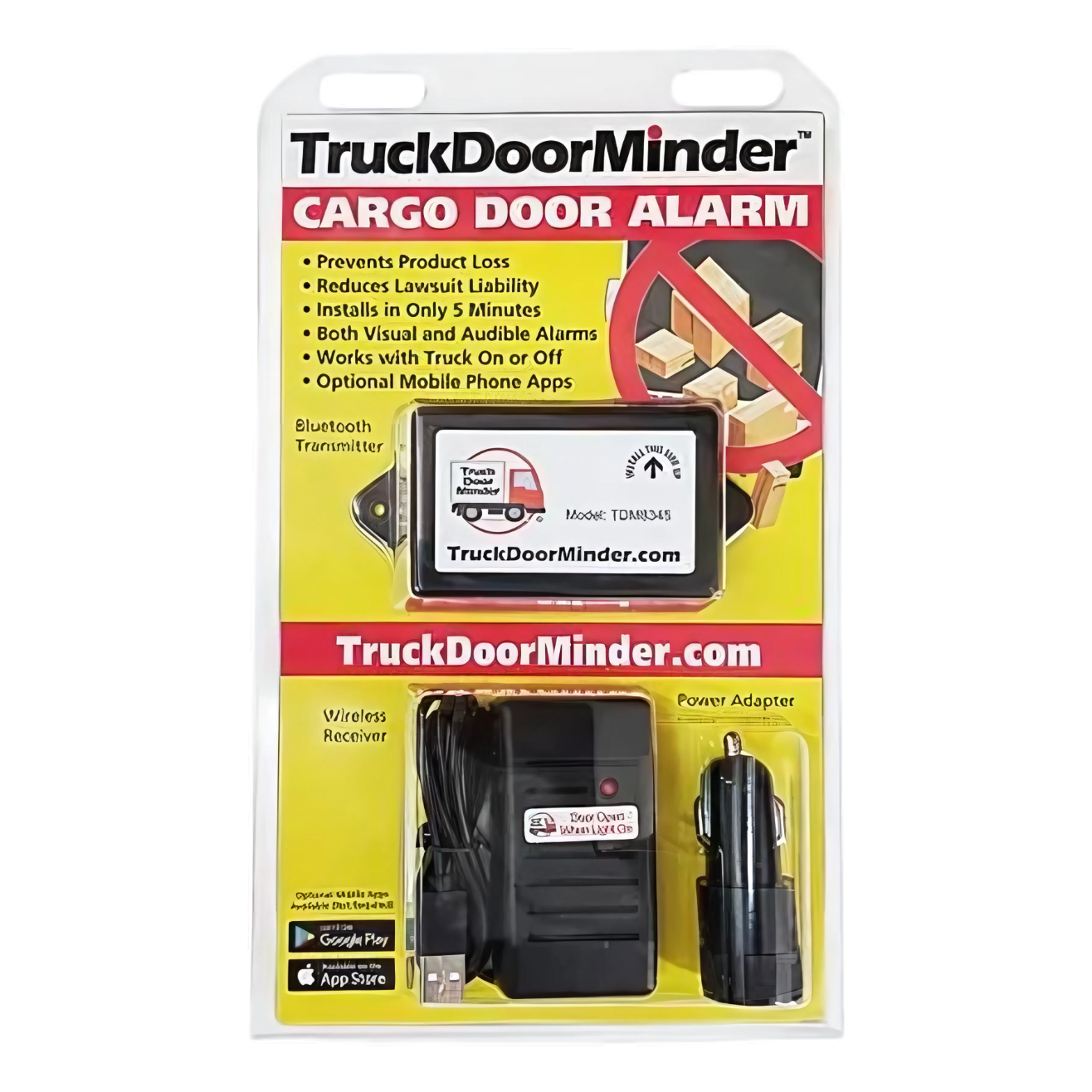
As we age, our memory naturally shifts. This isn’t dementia or Alzheimer’s—just the normal change where working memory isn’t quite as sharp as it was in your 30s or 40s. You might forget why you entered a room, whether you took your medication, or if you closed the garage door. These moments are normal—but they raise important questions about maintaining home security.
The solution isn’t trying harder to remember—it’s building systems that work independently of memory.
Understanding the Memory Shift
Working Memory vs. Long-Term Memory
- Working memory: Your brain’s scratch pad, used for temporary tasks, like remembering if you just closed the garage door. This is what declines with age.
- Long-term memory: Stores important life events, skills, and knowledge, like your childhood address or how to ride a bike. This usually remains strong.
Why Routine Tasks Become Uncertain
Repetitive actions are processed automatically by your brain. Because these tasks aren’t distinctive, they don’t form strong memories. Closing the garage door for the 10,000th time isn’t memorable, so later you may not recall if you did it.
Why Traditional Memory Advice Falls Short
Common suggestions often fail in practice:
- Be more mindful: Focusing intensely all day is unrealistic.
- Create stronger habits: Ironically, habitual tasks are less memorable.
- Use memory tricks: Saying out loud, “I am closing the garage door now,” helps occasionally, but you’ll forget to use it consistently.
These strategies place an unrealistic burden on you.
The Better Approach: External Verification
Instead of relying on memory, build systems that provide reliable, independent verification of routine tasks.
The Verification Principle
External verification gives definitive answers without relying on memory. Examples:
- You don’t memorize if you locked your car—you check the handle or the light.
- You don’t memorize your medication—you use a clearly marked pill organizer.
- You don’t memorize your bank balance—you check your statement or app.
The same principle applies to home security.
Visual Confirmation Systems
Visual confirmation provides instant, passive verification:
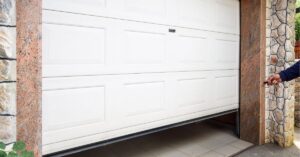
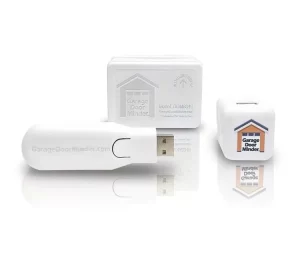
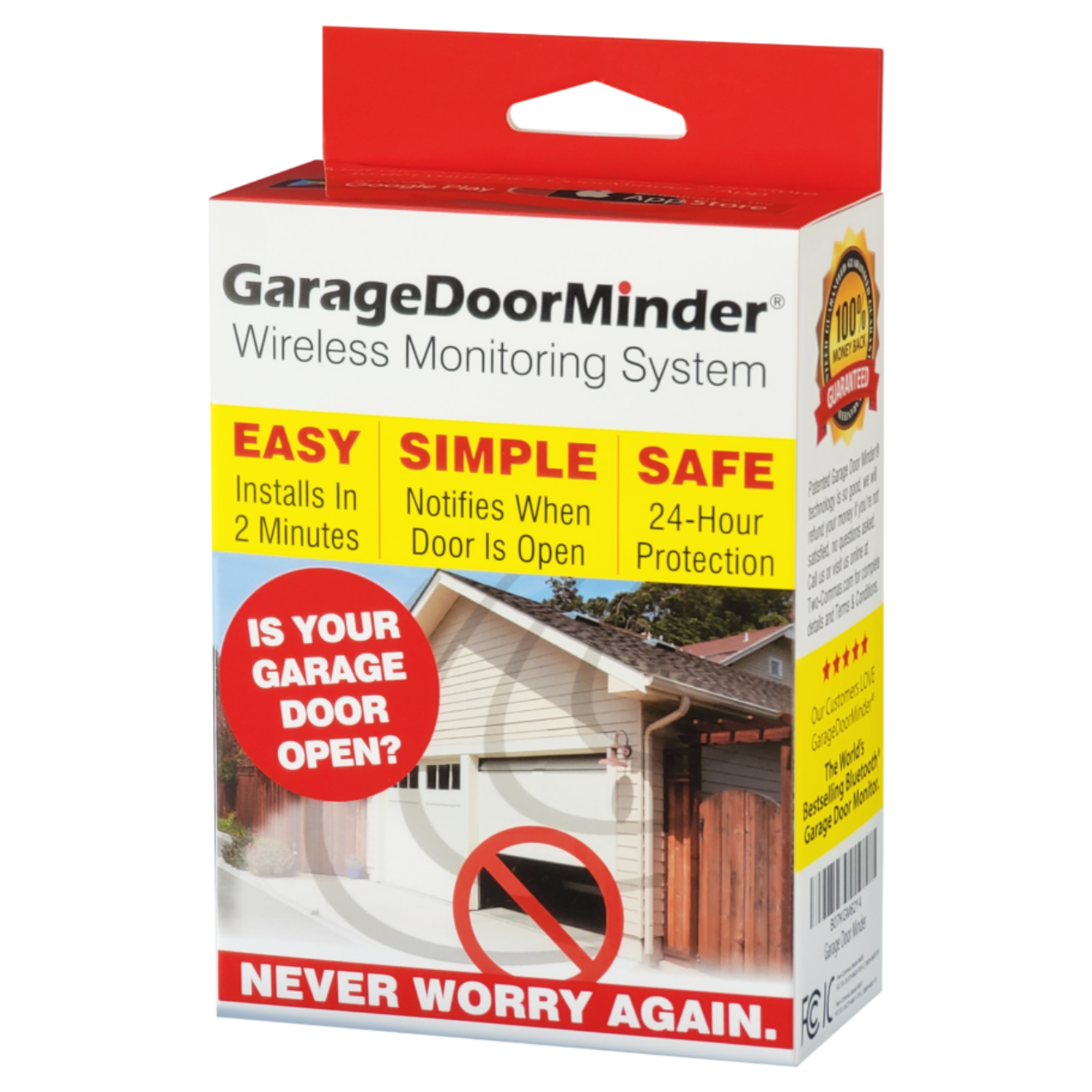
- Garage doors: LED indicators show whether the door is open or closed. One glance replaces hours of doubt.
- Audio backup: Alerts you if the door remains open for too long. Clear audio notifications supplement visual cues.
Practical Implementation for Home Security
Garage Door Monitoring
- Place a visual indicator where you naturally see it (kitchen counter, nightstand, etc.).
- Check it before leaving home and before bed. Quick visual confirmation replaces memory reliance.
Door Locks
- Use indicators on deadbolts showing red for unlocked, green for locked.
- Alternatively, a physical touch routine can confirm locks.
Stove and Appliances
- Use visual prompts or automatic shutoff devices for stoves, coffee makers, and irons.
- Visual reminders at exit points reinforce checks before leaving.
Creating Supportive Routines
- Checkpoint System: Designate a single location (e.g., table near the main exit) for verification tools. One glance confirms multiple tasks.
- Evening Verification: Incorporate checks into bedtime routines for consistency.
- Visual Pathways: Place indicators along regular walking routes for passive awareness.
Technology Choices That Respect Memory Limitations
When selecting products, look for:
- No accounts or passwords: Reduces what you need to remember.
- Large, clear indicators: Bright LEDs or displays that are impossible to miss.
- Simple status information: Basic yes/no answers.
- Distinct audio alerts: Clear signals, not subtle chimes.
- Independence from smartphones: Avoid apps that require remembering to check.
Addressing Emotional Concerns
- This isn’t failure: External verification compensates for normal memory limitations.
- Maintaining independence: Systems allow you to manage security autonomously.
- Reducing anxiety: Eliminating uncertainty about routine tasks improves peace of mind and quality of life.
When to Seek Additional Support
- If memory issues interfere with daily life beyond routine tasks, consult a healthcare provider.
- Professional guidance or counseling may help manage anxiety or concerns about living independently.
The Broader Principle
This approach extends beyond garage doors—it applies to aging in place and maintaining independence. Rather than resisting normal changes, adapt intelligently by building compensating systems.
- Your home should support you, not demand perfection.
- Verification systems replace unreliable memory with certainty.
- These strategies benefit everyone, especially as memory changes with age.
Moving Forward with Confidence
Memory changes don’t have to mean insecurity. With the right systems:
- Maintain complete confidence in your home security.
- Preserve independence and autonomy.
- Protect both your home and your peace of mind.
Your memory might not be what it was at 30, but your wisdom and judgment are stronger than ever. Use them to design a security approach that works for how you live today.
That’s not compromise—that’s smart adaptation.