As we move through different stages of life, our approach to home security changes. In your 30s and 40s, you may have focused on childproofing and managing the comings and goings of young kids. Now, your priorities shift: protecting your accumulated possessions, maintaining independence, and using systems that work reliably without constant attention.
Your garage plays a central role in this security picture. This guide focuses specifically on garage security for homeowners over 50, addressing practical realities and unique concerns at this stage of life.
Why Garage Security Matters More Now
Living Alone or With a Partner
If you live alone, are widowed, divorced, or have fewer people in your household, you are responsible for all aspects of home security. Even if you live with a spouse, extended absences or travel reduce oversight of your property.
Valuable Accumulation
Over decades, you’ve accumulated tools, vehicles, and equipment worth thousands of dollars. Beyond monetary value, some items carry sentimental significance, making their protection especially important.
Fixed Income Considerations
Retirement or approaching retirement often means living on fixed income. Unexpected expenses from theft or damage can significantly impact financial security. Preventative measures are far more cost-effective than replacing stolen items.
Age-Related Factors in Security Planning
Memory and Routine Tasks
Working memory naturally declines with age. Security systems that rely on perfect memory become impractical. You need solutions that accommodate human forgetfulness.
Physical Mobility
Checking every window or door may have been easy at 35, but at 65 or 75, these tasks can be physically taxing. Systems that minimize required physical effort make sense.
Vision Changes
Small screens, complex apps, or subtle indicator lights become harder to see with age. Clear, bright visual indicators and audible alerts improve usability.
Technology Comfort Levels
Not everyone over 50 is tech-savvy. Security systems should match your comfort level, not require new technical skills to function.
Building a Practical Garage Security System
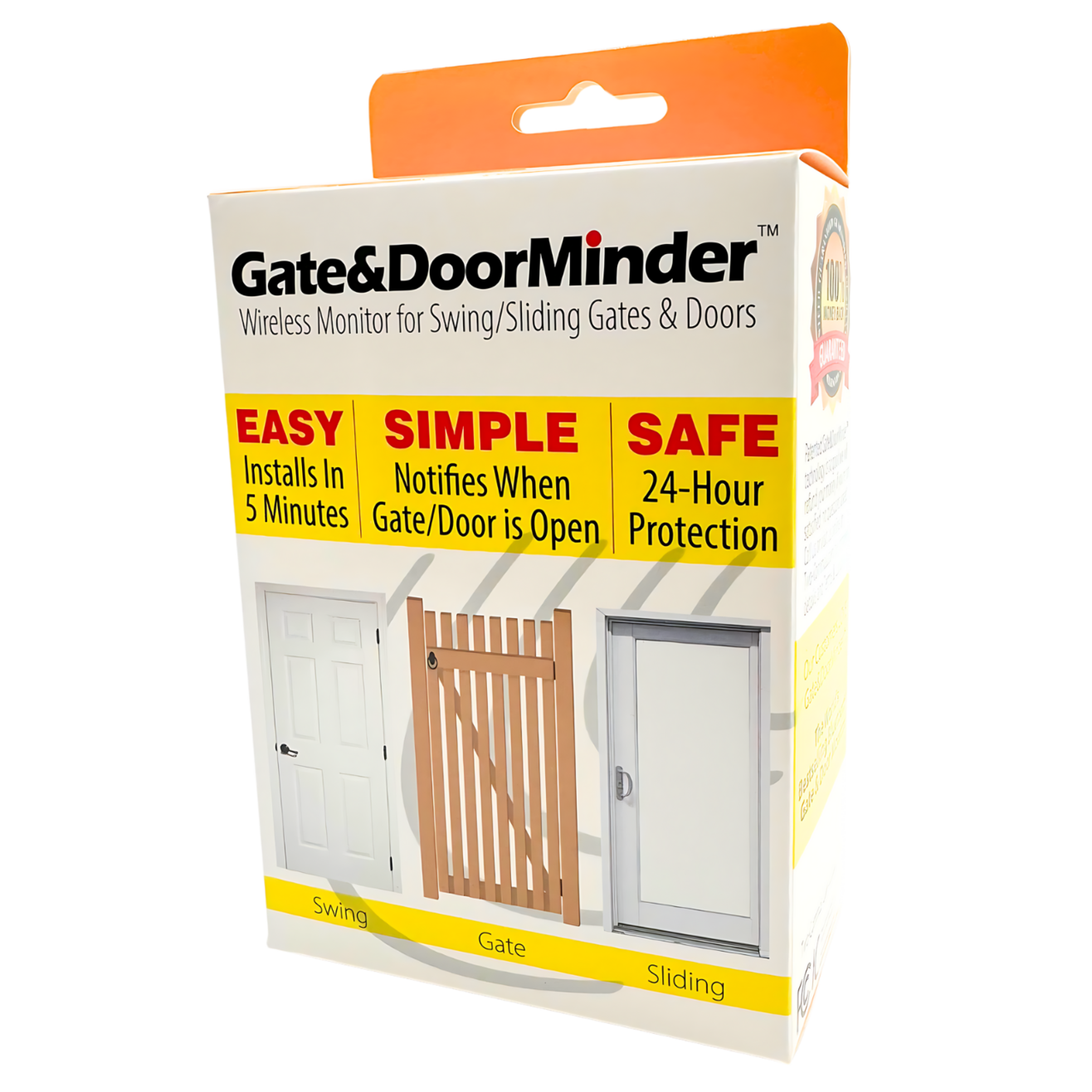
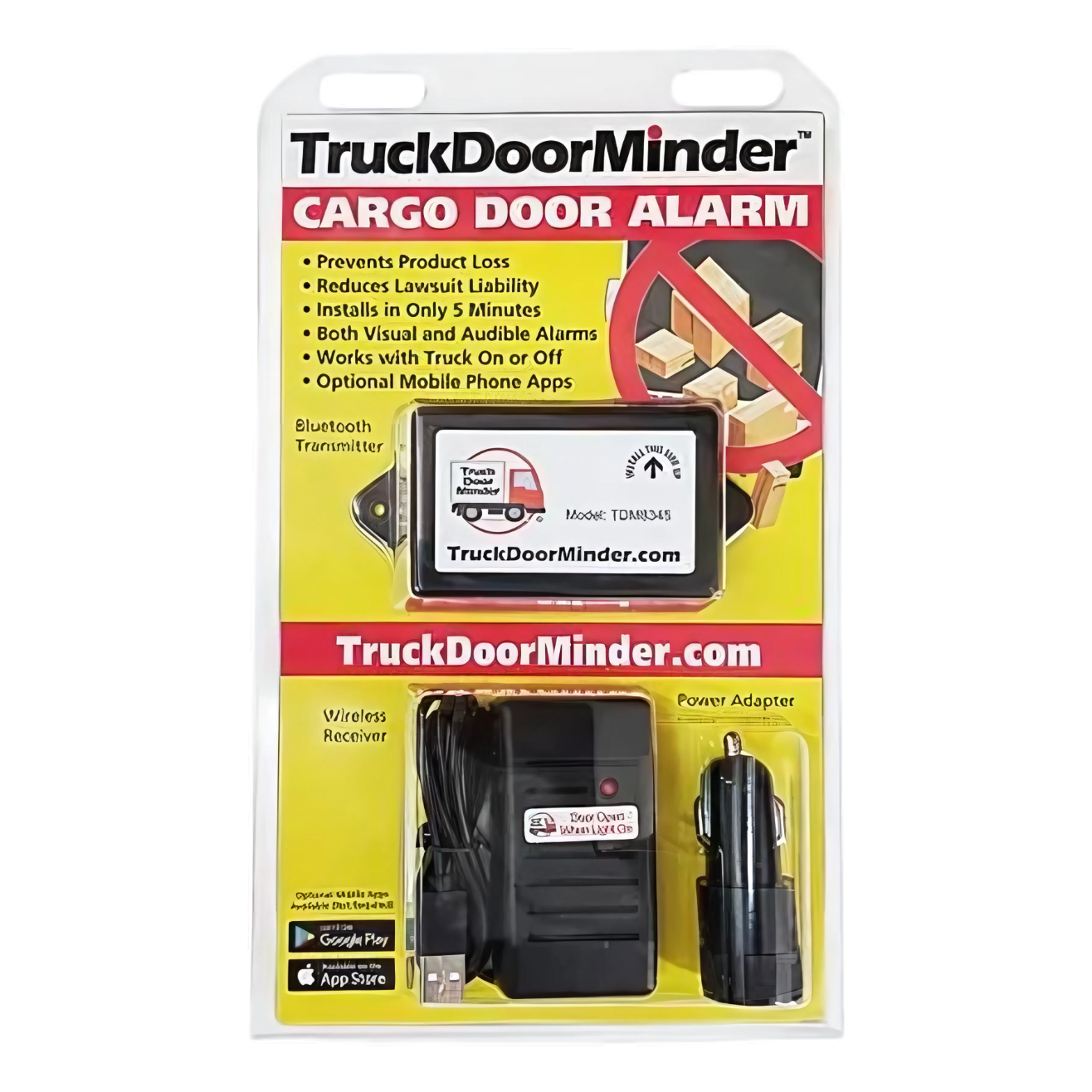
Layer One: Know Your Garage Door Status
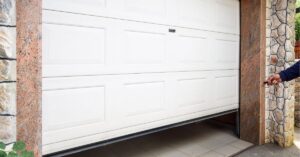
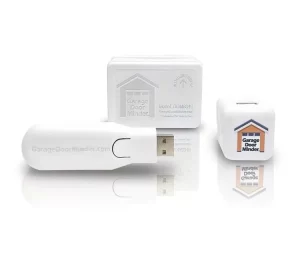
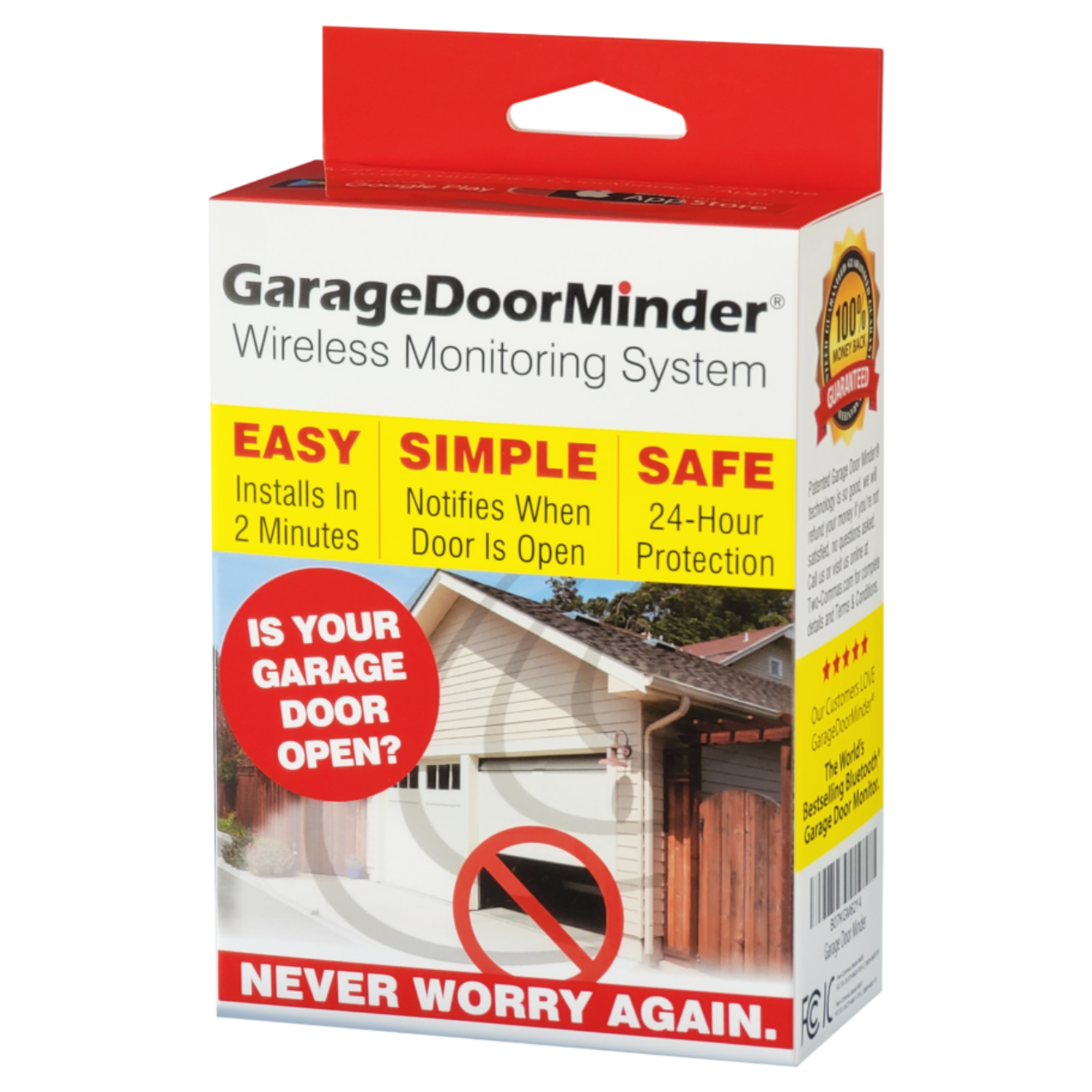
Reliable awareness of whether your garage door is open or closed is essential. Visual indicators visible from your regular paths in the house provide passive, effortless monitoring. Audio alerts serve as backup notifications.
Layer Two: Secure the Interior Door
Treat the door connecting your garage to your home as seriously as your front door. Upgrade to a solid-core door with a quality deadbolt. Visual indicators showing locked/unlocked status provide at-a-glance confirmation.
Layer Three: Secure Your Remote
Treat your garage door remote like your house keys. Avoid leaving it in your vehicle. Keychain remotes or eliminating portable remotes entirely are practical options.
Layer Four: Address Physical Vulnerabilities
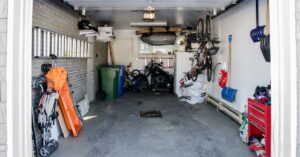
Inspect your garage for weaknesses: windows, gaps at the top of the door, and side entry doors. Frosted window film, solid doors, and upgraded weatherstripping improve both security and privacy.
Layer Five: Maintain Your Equipment
Old or unreliable openers create security gaps. Consider replacing openers older than 15 years with modern models featuring rolling codes, battery backup, and reliable closing mechanisms.
Special Considerations for Solo Living
- Emergency Contacts: Have trusted neighbors or family members who can verify your property if needed.
- Routine Indicators: Vary daily schedules to avoid predictable patterns.
- Lighting and Appearance: Well-lit, maintained properties deter opportunistic criminals.
Technology Choices for This Life Stage
When evaluating products, ask:
- Can I install it myself in under 15 minutes?
- Will it work reliably for five years without updates?
- Is it intuitive without reading a manual?
- Does it function when power or internet fails?
- Is there an ongoing subscription cost?
Simple, self-contained, and reliable systems are the best choice.
Creating Sustainable Security Habits
Even the best system fails if not used consistently. Build routines that are easy to maintain:
- Evening Routine: Check garage door indicator, interior door lock, and vehicles. Takes 30 seconds with proper systems.
- Departure Routine: Quick glance at garage monitor confirms closure. More reliable than trusting memory.
- Vacation Preparation: Verify doors are secure. Long battery life ensures continued protection during trips.
The Independence Factor
Reliable, automatic systems let you manage security independently without relying on children, neighbors, or technology experts. This autonomy improves peace of mind and quality of life.
Making the Investment
Home security improvements are investments in safety and peace of mind. Effective garage security, including monitoring, often costs less than a month of utilities while providing years of protection.
Moving Forward
Focus on your garage, often the most vulnerable entry point. Start with simple, effective upgrades and expand as needed. Prioritize reliability, simplicity, and systems that support your lifestyle. The right approach allows you to feel secure, independent, and confident without unnecessary complexity.
Security done right means peace of mind that lasts for years.