Life seems to get more complex every year. More devices to manage, more passwords to remember, more apps competing for attention. Technology companies promise to simplify life, but often you end up spending more time managing devices than enjoying their benefits.
Real simplification doesn’t come from adding more gadgets – it comes from reducing friction points in your daily routine. Here’s how to make life easier without turning your home into a science project.
The Myth of the Smart Home
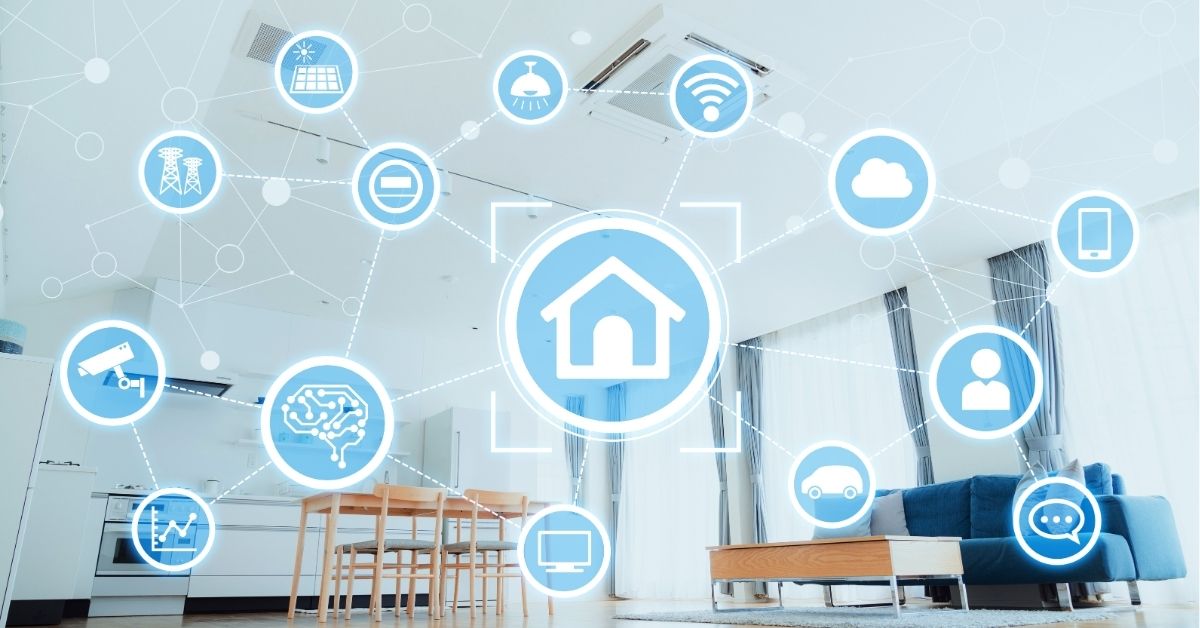
Smart homes sound appealing: control lights, thermostat, locks, appliances, and security systems from your phone. Everything automated and optimized.
The reality? You spend weekends installing devices and configuring apps, then weeks troubleshooting. Internet outages stop half your home from functioning. Updates break compatibility. You forget which app controls what.
A “smart” home often becomes a part-time IT job. Complexity masquerades as convenience.
What Actually Makes Life Simpler
True simplification happens when you remove decisions, reduce uncertainty, and eliminate tasks that don’t add value.
Fewer Decisions
Decision fatigue is real. Every choice you make depletes mental energy. Simplification comes from converting decisions into automatic processes that require no thought.
Less Uncertainty
Worrying about routine tasks adds cognitive load. Reducing doubt frees mental space.
Reduced Steps
Every extra step between you and the information you need creates friction. The best solutions deliver what you need with minimal effort.
The Power of Single-Purpose Solutions
“Jack of all trades, master of none” applies to technology. Multi-featured devices rarely do one thing well. Simple, single-purpose solutions are more reliable, easier to learn, and require less maintenance.
Reliability Through Focus
Fewer components and dependencies make single-purpose devices more dependable.
Easier to Learn and Use
With one task, learning and operation take seconds, not hours.
Less Maintenance
No frequent updates, no subscriptions. They work day after day without demanding attention.
Identifying Your Friction Points
Look for small annoyances that add up:
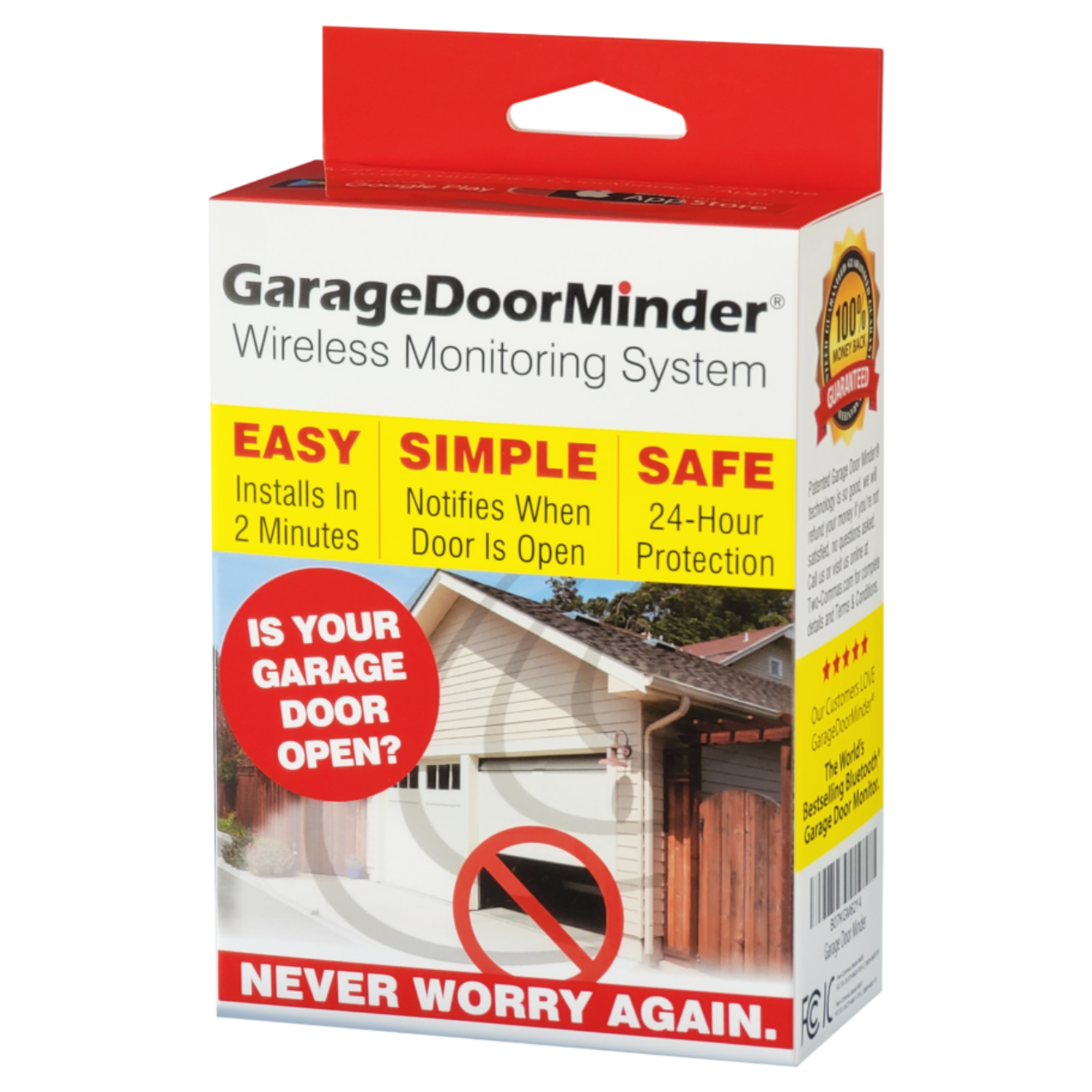
- Recurring Doubts: “Did I lock the door?” “Did I close the garage?” Low-level stress accumulates.
- Unnecessary Trips: Backtracking wastes time and interrupts your flow.
- Mental Load: Tasks you actively remember create cognitive strain. Automating them frees mental energy.
- Technology Frustrations: Devices that fail or require constant troubleshooting increase complexity rather than reduce it.
Simplification Strategies That Actually Work
Use Visual Cues
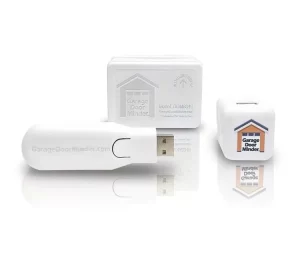
Your eyes process information faster than conscious thought. A light indicating your garage door is open gives instant awareness without checking an app.
Eliminate Password Dependencies
Accounts and passwords create friction. Solutions that work without them remove hassle entirely.
Choose Battery Over Wired
Battery-powered devices are flexible, easy to install, and portable. Modern batteries can last months or a year.
Avoid Internet Dependencies
Wi-Fi outages, router issues, and network failures introduce unnecessary dependencies. Independent systems are more reliable.
Prioritize Immediate Feedback
Proactive alerts convert active monitoring into passive awareness, freeing your attention for other tasks.
Real-World Simplification Examples
Morning Departure Routine
Complex: Phone reminder, unlock, open app, check status.
Simple: Glance at a visual indicator, see green light, leave confidently.
Medication Management
Complex: Smart pill organizer with apps and Bluetooth.
Simple: Physical pill organizer with clearly marked compartments.
Home Security Check Before Bed
Complex: Walk checking multiple locks and devices.
Simple: Visual confirmation for essentials; a garage door indicator provides instant assurance.
The Age Factor in Technology Choices
Patience for complexity decreases with age. Cognitive load naturally increases, vision changes, and dexterity declines. Systems that provide passive awareness and require minimal interaction are especially valuable. Choosing reliable, simple solutions is wisdom, not limitation.
The Liberation of Less
Owning fewer complicated things frees time and mental energy. Simplification means:
- Not worrying about routine tasks because verification is automatic.
- Not troubleshooting technology that should just work.
- Not paying attention to devices that function independently.
- Not carrying mental checklists because your environment supports you.
Technology should remove burdens, not add them.
Making Simplification Decisions
Ask:
- Does this solve a real problem I have?
- Will it require ongoing maintenance or updates?
- Does it add dependencies outside my control?
- Can I use it without reading extensive documentation?
- Will it work reliably for years without replacement?
If the answer is no, it probably won’t simplify your life.
The Path Forward
Simplifying your routine isn’t about rejecting technology. It’s about being selective, choosing solutions that reduce friction without creating new complications. Start with persistent friction points and look for the simplest solution that removes the problem with minimal ongoing involvement.
Build a life where your environment supports you automatically, allowing routines to run smoothly and confidently. That’s real simplification, and it’s within reach.