Walk into any home improvement store and you’ll find an overwhelming array of garage door products.
Smart openers that connect to your phone. Traditional timers. Keypad entry systems. Security cameras.
The options seem endless — and the marketing promises sound equally impressive.
But when it comes to actually knowing whether your garage door is open or closed, which solution delivers on its promises? Let’s cut through the noise and look at what actually works in real-world conditions.
For decades, homeowners relied on the simplest system possible: their own memory and attention. Close the door, trust that you did it, and move on with your day. When doubt crept in, you’d either turn around to check or spend the day wondering.
This approach has one significant advantage — it costs nothing. But the disadvantages are substantial and often underestimated.
Constantly wondering whether you completed a routine task creates low-level stress that accumulates over time. That nagging uncertainty affects your peace of mind.
Every time you turn around to check costs you time and fuel. Do it often enough and those costs add up.
When you truly forget to close the door, your home can remain vulnerable for hours. The traditional approach offers no safety net when your memory fails.
For some people with consistent routines, this may be acceptable — but for most of us juggling busy lives, this isn’t really a security strategy.
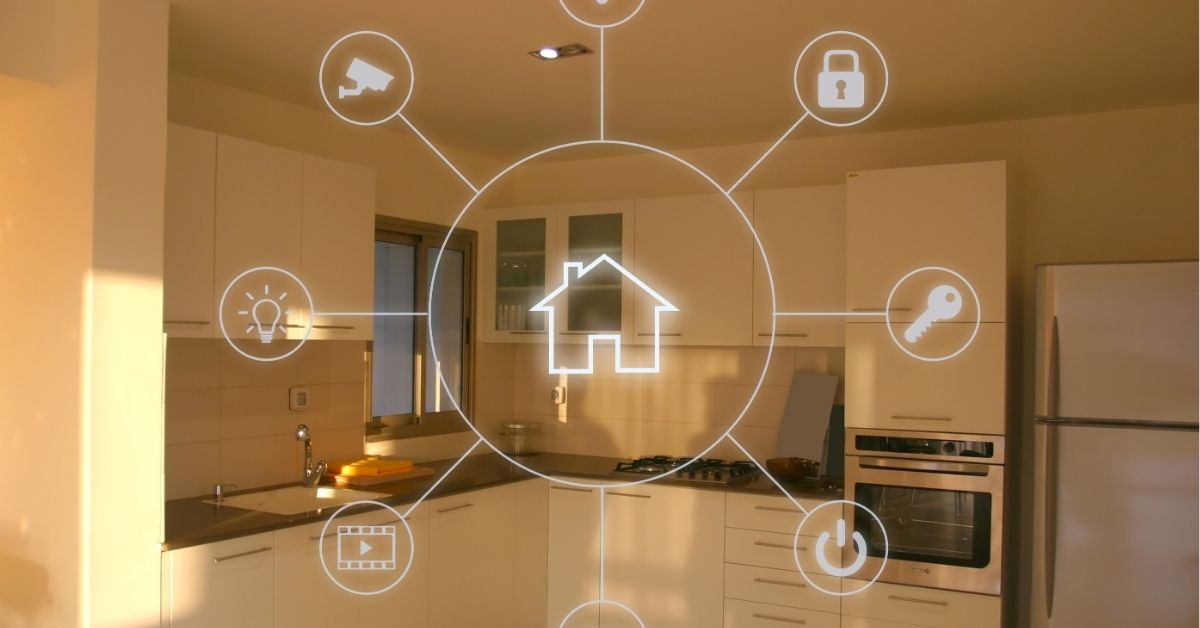
Smart garage door openers have become increasingly popular. These Wi-Fi-enabled systems connect to your smartphone, letting you check the door status, open or close the door remotely, and get notifications.
On paper, it sounds ideal. In practice, it’s more complicated.
Replacing a garage door opener is not a simple DIY project. Most homeowners hire a professional, adding scheduling hassles and installation costs.
If your Wi-Fi signal is weak in the garage, you’ll experience connectivity issues. When your internet goes down — which it eventually will — you lose monitoring capabilities.
Checking your door requires multiple steps: unlock phone → open app → connect → navigate. If your battery is dead or your phone isn’t nearby, the system is useless.
Many smart openers require monthly subscription fees to access full features. A $100–$300 device can turn into hundreds more over time.
Firmware updates, troubleshooting, documentation, and app issues can overwhelm homeowners who aren’t tech-savvy.
Some homeowners install cameras pointing at the garage door to visually confirm whether it’s open or closed.
This works — but it’s indirect and comes with complications.
You’re using an advanced surveillance tool to answer a simple yes/no question.
Cloud storage often requires subscriptions and raises privacy concerns. Local storage requires managing memory cards.
Bright sunlight, shadows, darkness, rain, or snow can obscure the camera’s view.
Like smart openers, cameras require opening an app and navigating to the correct feed — not as convenient as it seems.
Many garage door openers include timers that automatically close the door after a set period.
Helpful? Yes. Perfect? No.
Timers close the door whether you want them to or not — while working, unloading groceries, or when kids are nearby.
You still don’t know if the door actually closed. Malfunctions or obstructions can prevent it from closing.
Constantly disabling and re-enabling the feature becomes annoying. Many people simply turn it off.
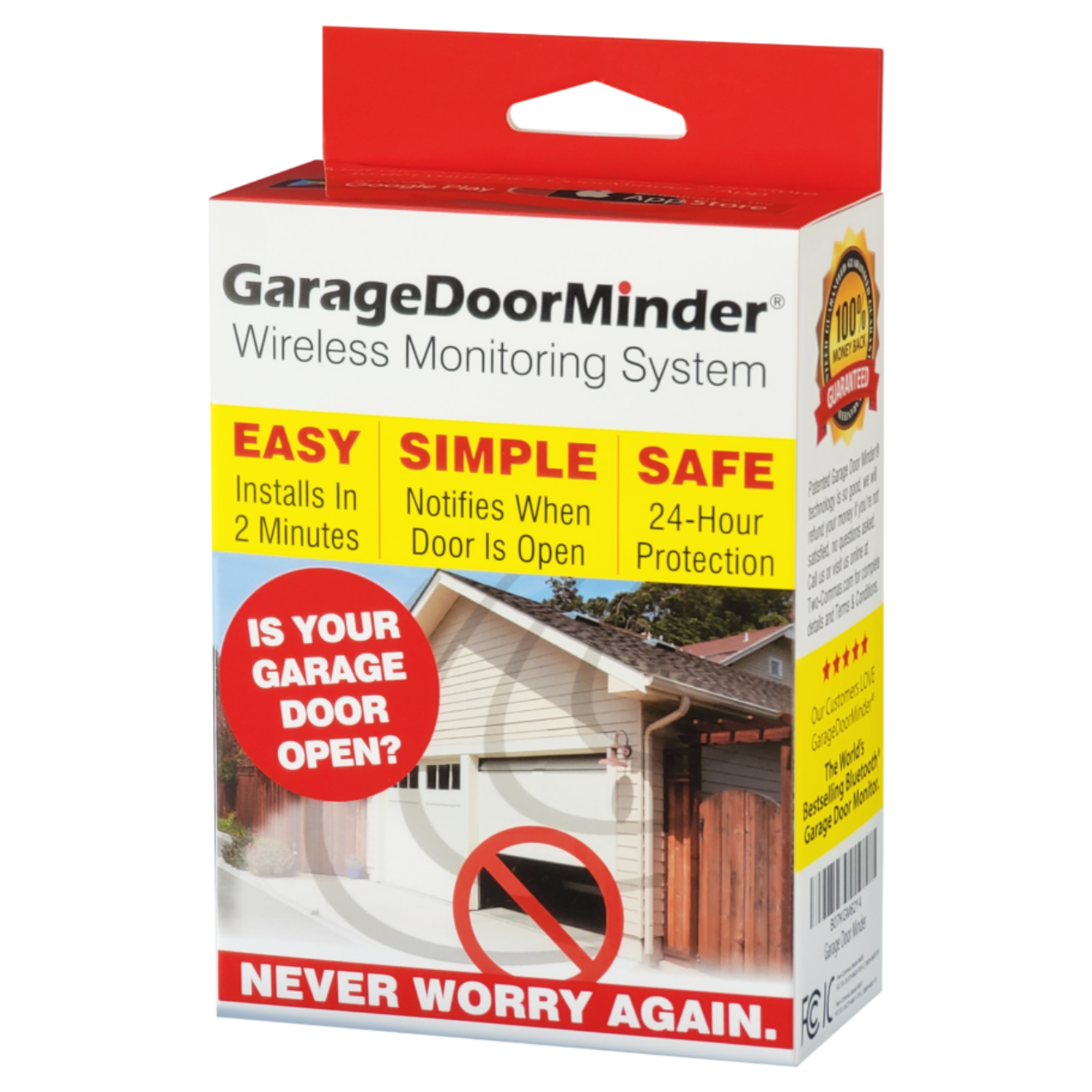
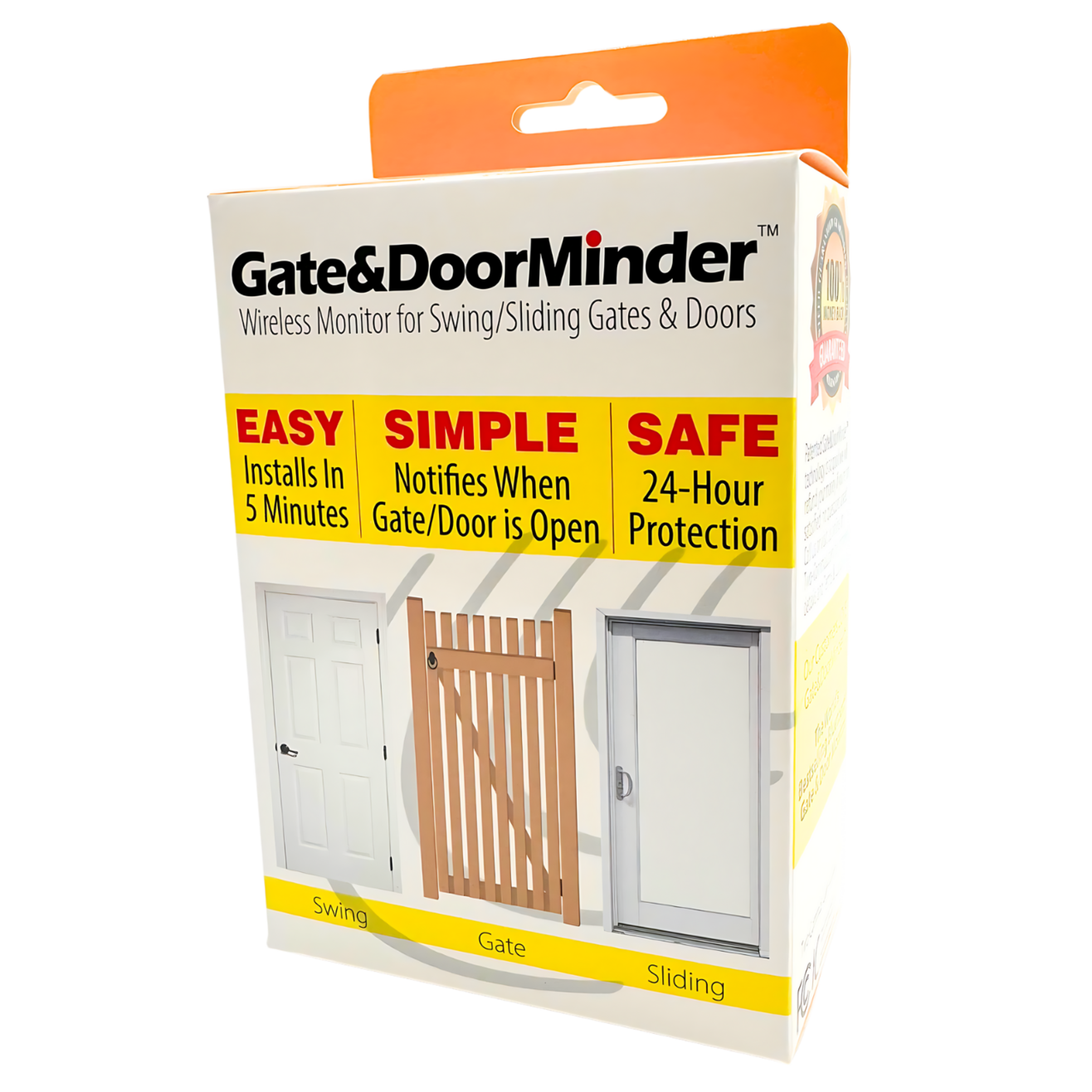
Dedicated monitoring systems provide one service: letting you know whether your garage door is open or closed.
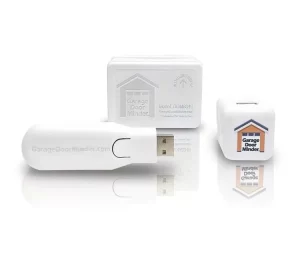
Unlike smart openers, these devices focus on one job and do it extremely well. They typically don’t require Wi-Fi, don’t need apps, and install in minutes.
A door sensor communicates with a receiver in your home. When the door is open, you get an immediate alert — light, sound, or both.
Fewer components mean fewer failure points. Long-lasting batteries and simple wireless signals keep them dependable.
Alerts are automatic — no apps, no checking, no waiting.
No subscriptions or paywalls. Buy once, own forever.
Works with any garage door opener, regardless of brand or age.
If you want deep smart-home integration, a smart opener may be right for you. If you want broader home surveillance, cameras have their place.
But if your primary goal is simple and practical — knowing whether your garage door is open or closed without hassle — then a dedicated monitor is almost always the best option.
It removes friction. It works without constant attention. It doesn’t rely on apps, Wi-Fi, or batteries in your phone.
Technology should solve problems, not create them. The best solution is one that works reliably, fits your routine, and doesn’t demand constant management.
For garage door monitoring, simplicity usually wins. You don’t need an overengineered smart system — you need something that works every day without excuses.
Your peace of mind deserves a solution that delivers on its promises.


Garage, Home and Automotive Protection since 2016.